
Short answer
On electric dryers, check for a tripped breaker first — a dryer can tumble on one half of its double breaker without heating. Then check airflow: a restricted vent can overheat the dryer and blow its thermal fuse. With power and airflow confirmed, the heating element (electric) or igniter, flame sensor, or gas valve coils (gas) are the usual causes.
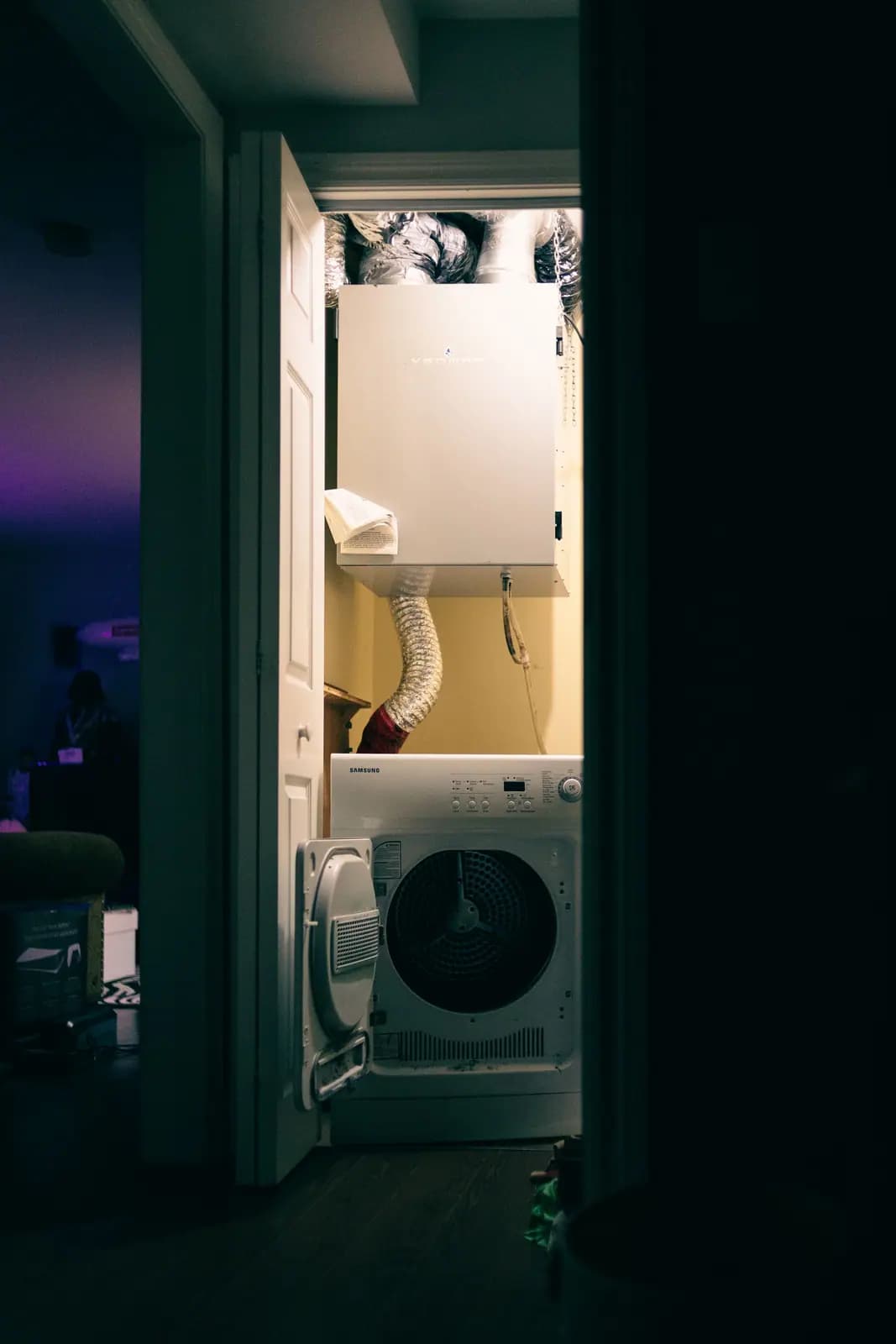
Safety
Act now
- Gas smell: leave and call your gas utility or 911 from outside.
- Burning smell: stop the dryer and unplug it if you can reach safely.
Possible causes, in the order they're usually ruled out
- PowerOne half of the double breaker tripped (electric)You can check
- AirflowLint screen, duct, vent hoodYou can check
- Thermal fuseBlown — usually because airflow was restrictedTechnician
- Heat sourceElement (electric) or igniter and valve coils (gas)Technician
- Thermostats & controlsHigh-limit or cycling thermostatTechnician
Safe checks
- Electric: reset a tripped double breaker.
- Clean the lint screen.
- Feel for strong airflow at the outside vent while the dryer runs.
- Straighten a crushed transition duct.
- Gas: confirm the gas shut-off valve behind the dryer is open (handle in line with the pipe) — don't do anything else to the gas line.
Dryer duct
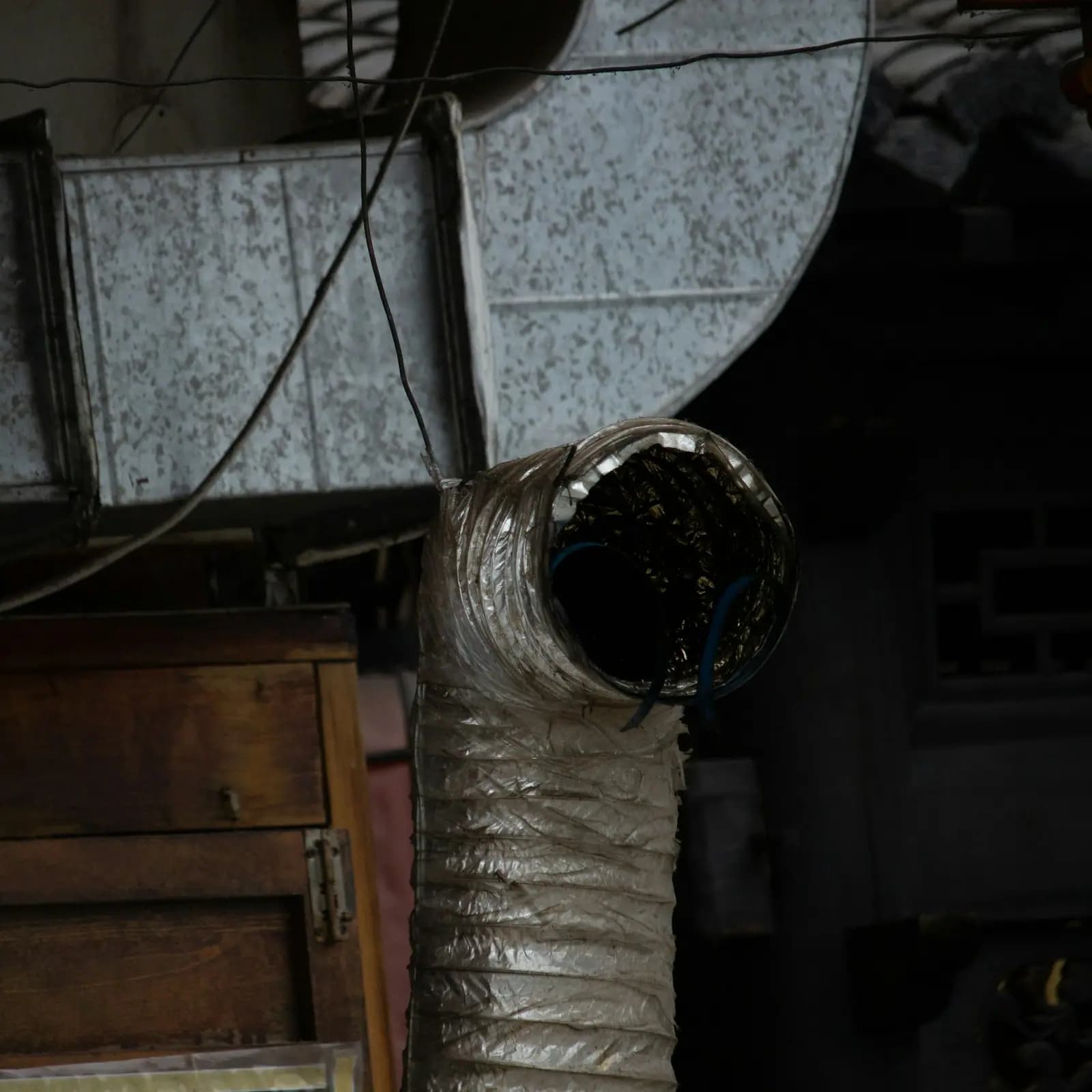
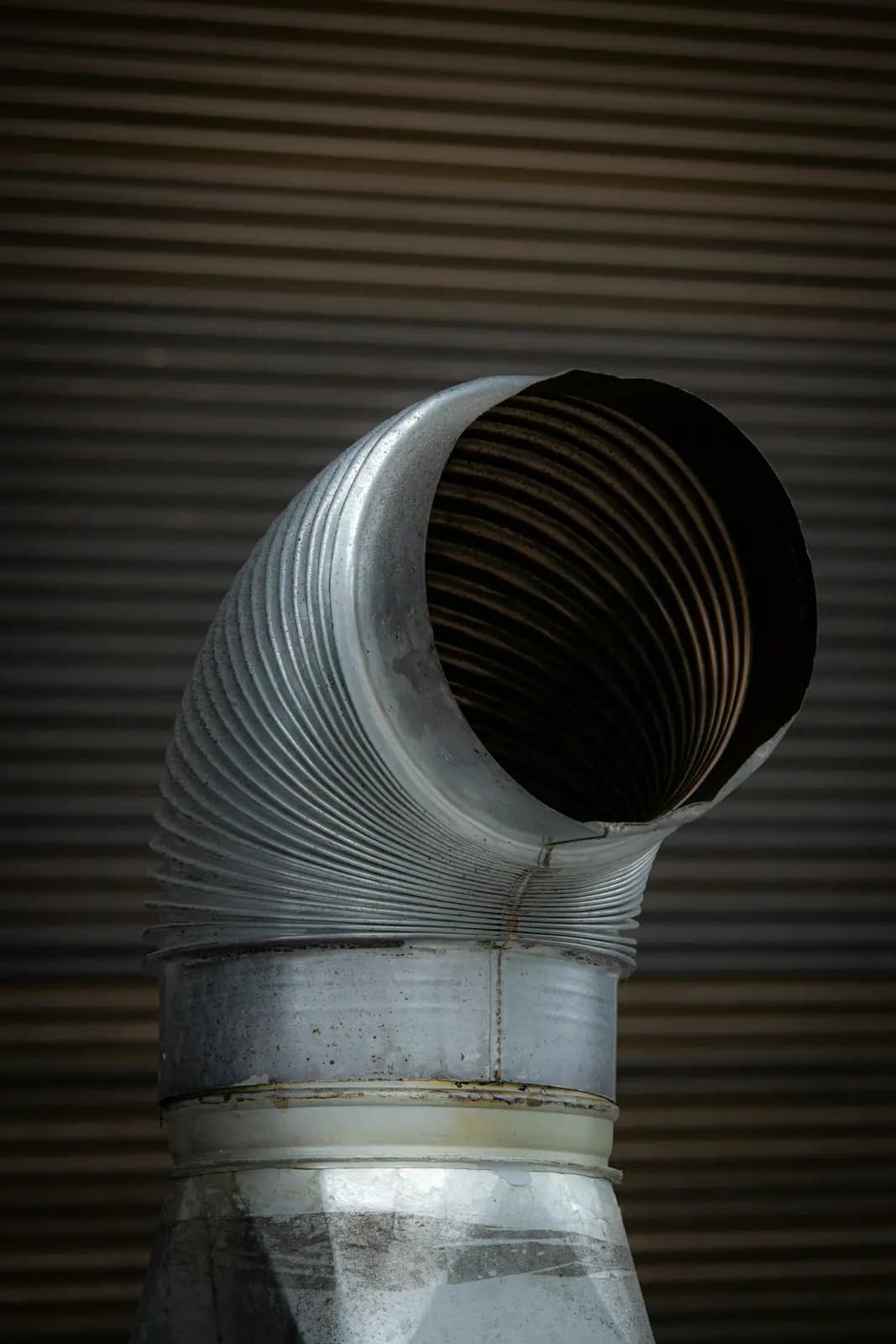
Example photos of the condition — different appliances, not RepairHearth jobs. Photos: Yanping Ma (Unsplash) · Yanping Ma (Unsplash).
Possible causes
A blown thermal fuse is usually a symptom of restricted airflow. Ask the technician to check the vent run, not just replace the fuse.
| Dryer type | Commonly involved parts |
|---|---|
| Electric | Heating element, thermal fuse, high-limit thermostat, cycling thermostat |
| Gas | Igniter, flame sensor, gas valve coils, thermal fuse |
Dryer airflow
- 1HeaterElement (electric) or burner (gas)Technician
- 2DrumHot air passes through tumbling clothes
- 3Lint screenClean every loadYou can check
- 4DuctNo kinks or crushingYou can check
- 5Vent hoodFlap opens, no blockageYou can check
Don't attempt
Leave this to a professional
- Bypassing or jumping a thermal fuse — it's a fire-safety device
- Gas valve or igniter work
How it's diagnosed
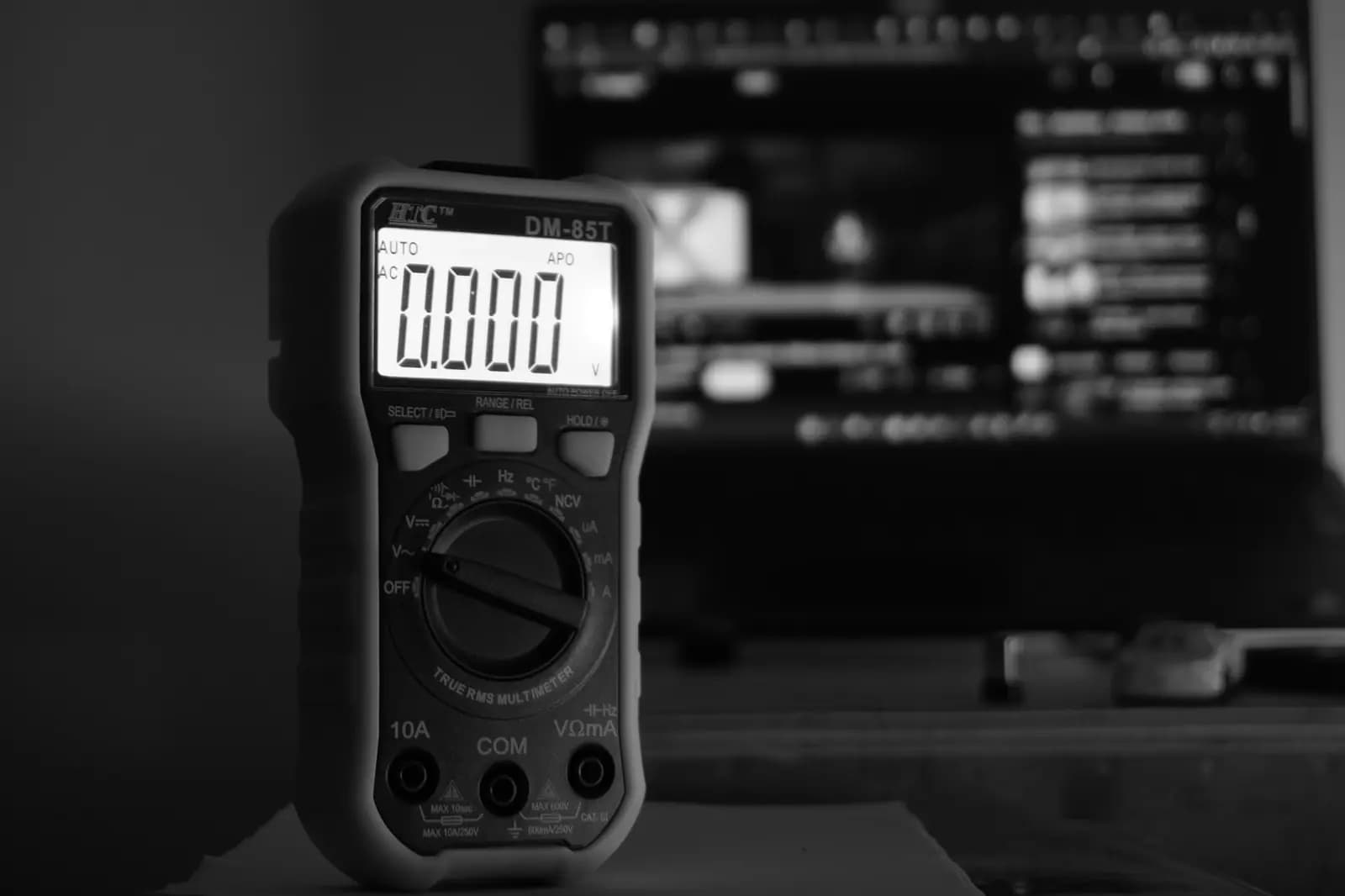
On electric dryers a technician checks voltage at the terminal block, then tests the thermal fuse, thermostats, and element for continuity with the power disconnected. On gas dryers they watch the igniter: if it glows and then goes out without flame, the gas valve coils are a common suspect; if it never glows, the igniter or a safety fuse is more likely.
Cost and repair-or-replace
Heating repairs are among the most routine dryer jobs, and most dryers are worth repairing for a no-heat fault. Budget for vent cleaning too if airflow contributed — it protects the new part.
What to request
A symptom points to likely causes; only testing confirms one. If the checks above don't solve it, request a diagnosis for dryer repair and mention what you've already checked.
Common questions
Why does my dryer spin but not heat?
Common causes are a tripped breaker half (electric), a blown thermal fuse from restricted airflow, a failed heating element, or a gas ignition fault.
How do I know if my dryer heating element is bad?
On an electric dryer with power on both breaker halves and good airflow, no heat points to the element, a thermal fuse or a thermostat. A technician tests each for continuity; sometimes the element is visibly broken.
Why is my gas dryer not getting hot?
Make sure the gas supply valve behind the dryer is open. After that, the usual suspects are a weak igniter, a faulty flame sensor or failing gas valve coils. Gas components are technician work — don't open the burner assembly yourself.
Can a clogged dryer vent stop the dryer from heating?
Yes. A restricted vent lets the dryer overheat, which trips the high-limit thermostat or blows the thermal fuse and cuts the heat. Fixing the heat without clearing the vent usually means the same part fails again.
Why does my dryer heat sometimes but not always?
Intermittent heat often comes from a cycling thermostat starting to fail, gas valve coils that stop working once warm, or an element with a partial break. Note when the heat drops out — at the start, mid-cycle, after a few loads — and mention it when you call.
Why does my electric dryer need two breakers?
Electric dryers use a 240-volt circuit on a double breaker. The motor runs on one half, while the heating element needs both. If one half trips, the dryer can tumble normally but produce no heat, so reset the breaker fully off, then on.
Is it safe to keep using a dryer that isn't heating?
Tumbling without heat isn't dangerous in itself, but the cause might be a restricted vent, which is a fire risk. Check the vent and lint path before using it again, and don't keep running it if you smell burning.
Should I replace my dryer's thermal fuse myself?
We recommend a technician: it means opening the cabinet with power disconnected, and a blown fuse is a symptom rather than the cause. The overheating that blew it — usually restricted airflow — has to be found too.
How long does it take to fix a dryer that isn't heating?
Elements, fuses, thermostats and igniters are usually replaced in a single visit when the part is in stock. If the vent also needs cleaning, that may be done at the same visit or by a vent service.
How much does it cost to fix a dryer that won't heat?
Fuses and thermostats are on the lower end; elements and igniters are moderate; gas valve and control repairs cost more. Vent cleaning is often separate. The provider confirms the price before work.
Need dryer repair? Call now
Pricing, timing, and appointments are confirmed by the repair provider.
Talk to someone now about your appliance. Available 24/7.
RepairHearth is a free referral service. By calling, you agree to be connected with an independent, participating repair provider who may call or text you back about your request at the number you call from. Calls may be recorded for quality and routing. Consent is not a condition of any purchase; you can opt out at any time, and message and data rates may apply. Privacy policy.