Short answer
Washers refuse to spin when they can't drain, detect an unbalanced load, or don't detect the lid or door as locked. Check those three first. If they're fine, a worn belt, motor coupling, motor, or control fault is likely.
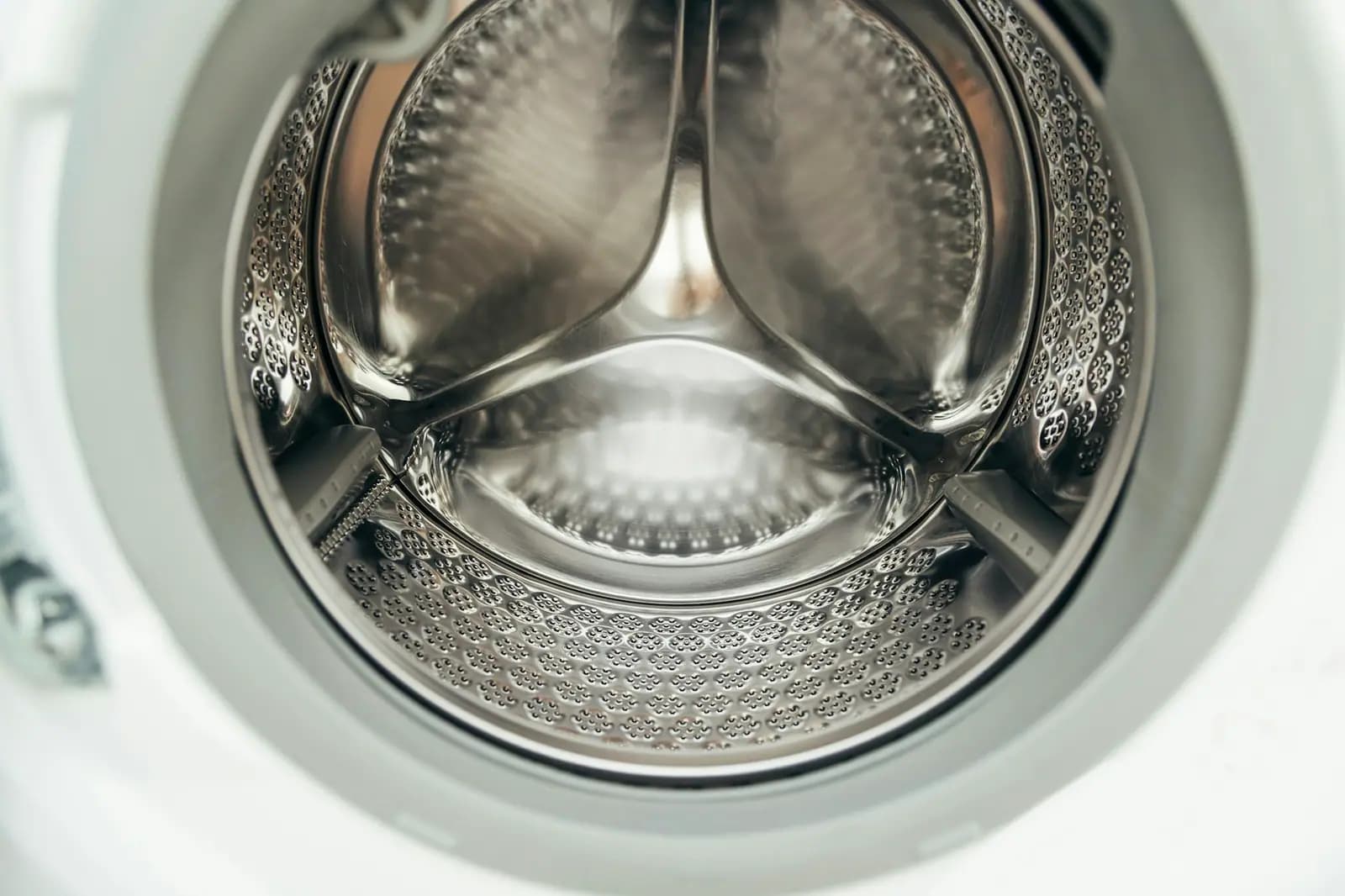
Check these first
- Rebalance the load — single heavy items cause imbalance cut-outs.
- Run a drain-and-spin: if it doesn't drain, see our washer-not-draining guide.
- Close the lid or door firmly and listen for the lock click.
What has to happen before a washer spins
- 1Lid or door lockMust confirm closedYou can check
- 2Water drainedClear the pump filter firstYou can check
- 3Balance checkOne heavy item can stop spinYou can check
- 4Control + motorCommands and drives the spinTechnician
- 5Belt / coupler / clutchTransfers motion to the drumTechnician
Possible causes, in the order they're usually ruled out
- Load balanceSingle heavy items trigger imbalance protectionYou can check
- DrainageWasher won't spin until it drainsYou can check
- Lid / door lockNot detected as lockedTechnician
- DriveBelt, motor coupling, clutch, or motorTechnician
- ControlsMotor control or main boardTechnician
Possible causes after that
| Washer type | Commonly involved |
|---|---|
| Top-load | Lid switch/lock, belt, motor coupling, clutch, transmission |
| Front-load | Door lock, motor, motor control, belt (some models) |
Don't attempt
Leave this to a professional
- Bypassing the lid switch — it's a safety interlock
- Motor or control wiring
Switch it off if
Safety
- You smell burning — a slipping belt or straining motor can overheat
- The drum makes a loud bang when it tries to spin
Why balance matters so much
Modern washers measure how the drum moves as it starts to spin. If the load is lopsided they redistribute and try again, and after several attempts they may skip or shorten the spin to protect the suspension and bearings. Mixing a few heavy items with lighter ones, or washing bulky items alone with a couple of towels, usually solves it.
How it's diagnosed
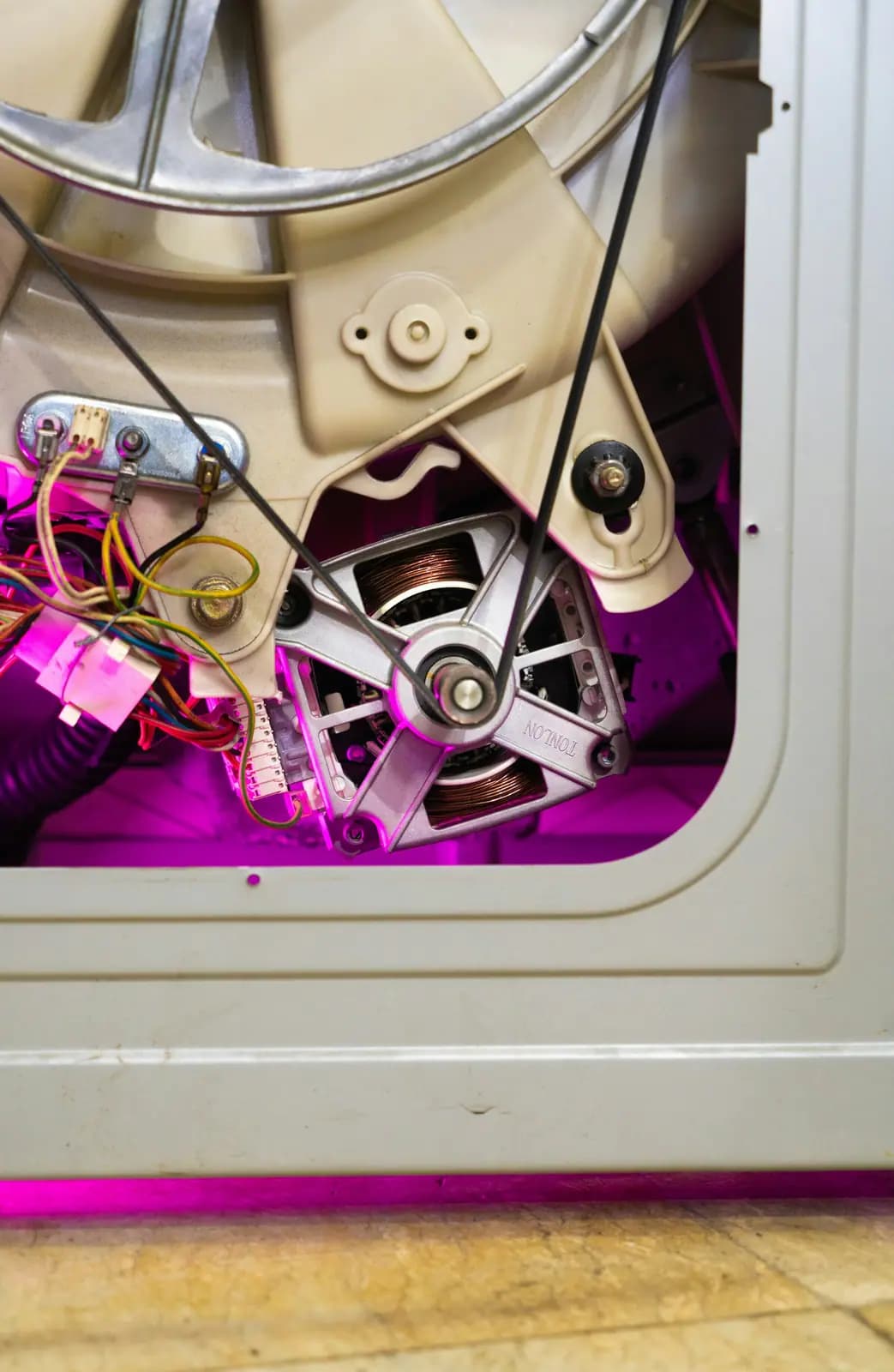
A technician runs a diagnostic or service mode (most washers have one), confirms the lock engages, checks drainage, and then tests the drive: belt condition, motor coupling on top-loaders, and motor and motor-control signals on front-loaders.
Cost and repair-or-replace
Lid switches, door locks, belts, and couplings are routine repairs. A failed transmission on an older top-loader or a motor control board on a front-loader is a bigger expense — compare against replacement, especially if the machine also has worn bearings or suspension.
What to request
A symptom points to likely causes; only testing confirms one. If the checks above don't solve it, request a diagnosis for washer repair and mention what you've already checked.
Common questions
My washer agitates but won't spin. Why?
On top-loaders this often means a lid switch, drain problem, or worn coupling or clutch. A technician can test which.
Need washer repair? Call now
Pricing, timing, and appointments are confirmed by the repair provider.
Our phone line is being set up. Please check back soon.