Refrigerator repair at a glance
- Target temperatures
- 40 °F or below (fresh food), 0 °F (freezer)
- Most common fault area
- Airflow and defrost — fans, frost on the evaporator, blocked vents
- First safe check
- Thermometer reading, vents clear, door gasket paper test
- Technician-only
- Refrigerant, compressor, control boards, interior panels
- Repair-or-replace pivot
- Sealed-system (compressor or refrigerant) faults
Start here: is your food safe?
Safety
- The fresh-food section should be at or below 40 °F and the freezer at 0 °F (FDA).
- Keep the doors closed while you troubleshoot — every opening lets cold air out.
- If perishable food has been above 40 °F for more than two hours, follow food-safety guidance before eating it.
How a refrigerator keeps food cold
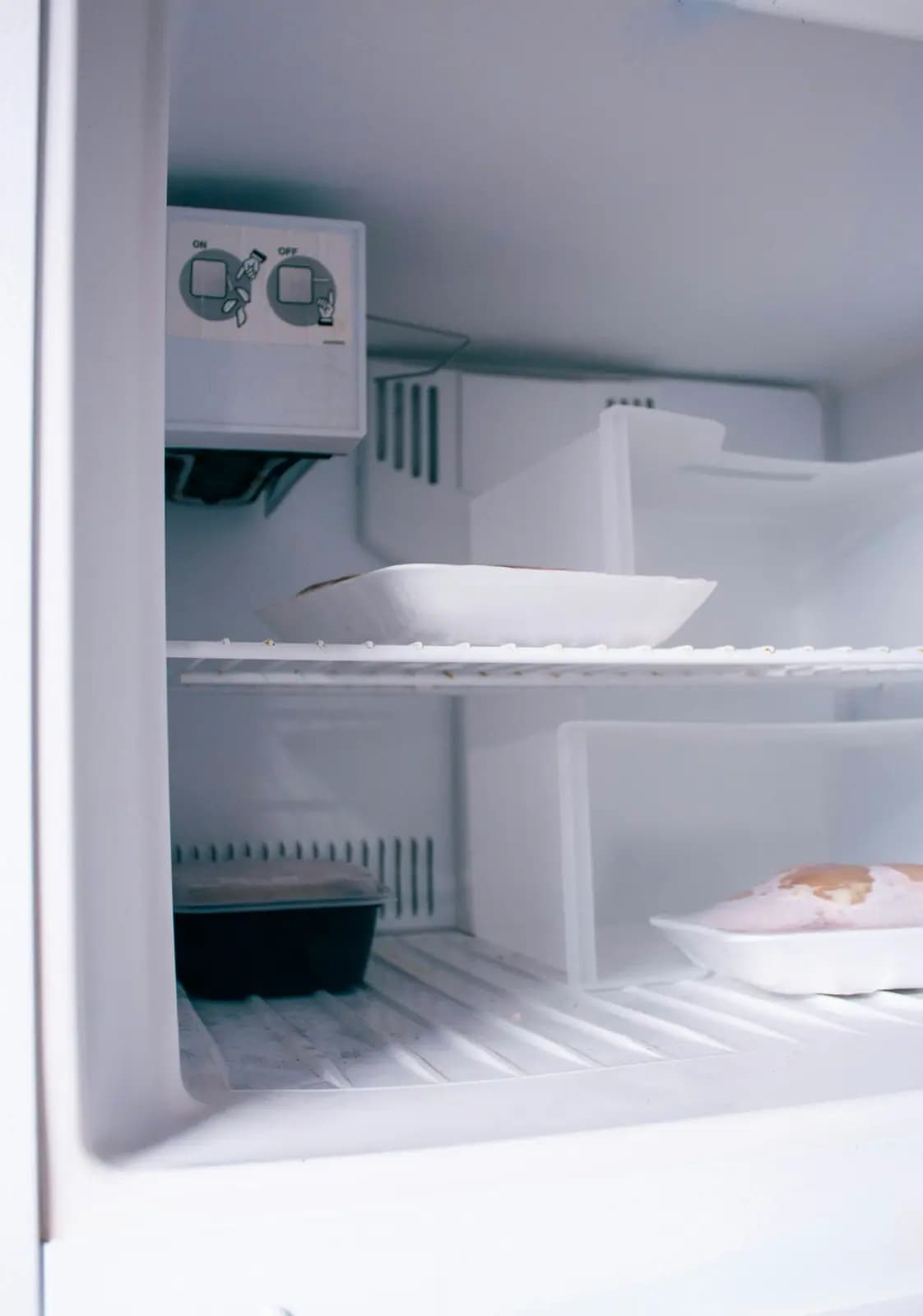
In most modern frost-free refrigerators, all the cooling happens in the freezer. A coil called the evaporator gets very cold, and a small fan pushes air across it. Part of that air is ducted into the fresh-food section through a vent or damper. Every few hours a defrost heater melts frost off the coil, and the water runs down a drain tube into a pan underneath, where it evaporates.
Heat removed from inside is released at the condenser — usually a coil near the floor with its own fan — next to the compressor. That's why clearance around the cabinet and clean condenser coils matter.
Knowing this layout explains the most common pattern: a cold freezer with a warm fresh-food section almost always points to an airflow or defrost problem, not a dead compressor.
Refrigerator defrost system
- 1Defrost controlTimer or board starts the cycleTechnician
- 2Defrost heaterWarms the evaporator coilTechnician
- 3Thermostat / sensorEnds the cycle when the coil is clearTechnician
- 4Drain trough + tubeIce here causes leaks insideYou can check
- 5Drain panUnder the front grille; should be dry or dampYou can check
Match the symptom to the likely system
| What you notice | System usually involved | Common parts checked |
|---|---|---|
| Freezer cold, fresh food warm | Airflow or defrost | Evaporator fan, damper, defrost heater, defrost thermostat or sensor |
| Both sections warm, unit quiet | Compressor circuit or controls | Start relay, compressor, main control board |
| Both warm, unit runs constantly | Heat rejection or sealed system | Condenser fan, dirty coils; possible refrigerant leak |
| Thick frost on the freezer back panel | Defrost | Defrost heater, thermostat, timer or control |
| Water under crisper drawers | Defrost drain | Clogged or frozen drain tube |
| Food freezing in fresh-food section | Air control | Damper, temperature sensor, settings |
| No water or ice from the door | Water system | Supply line, filter, inlet valve, frozen fill tube |
Safe checks before you request service
- Confirm nobody changed the temperature setting and the unit isn't in a showroom or demo mode (your manual explains how to tell).
- Put an appliance thermometer in a glass of water on the middle shelf. Read it after several hours — door-panel displays can be misleading.
- Move food away from the vents between the freezer and fresh-food sections.
- Close the door on a sheet of paper at several points. If it slides out with no resistance, the gasket may not be sealing.
- Check the clearance your manual requires at the sides, top, and back, and look at whether the front grille is blocked.
- If your manual tells you how, clean the condenser coils with the refrigerator unplugged.
Before: Dust and pet hair blanket the coil, so heat can't escape. The compressor runs longer and cooling margins shrink.
After: Clean coil with clear airflow — heat leaves easily. Clean only as your manual describes, with the unit unplugged.
Original illustration of a common condition — not a photo of a specific repair.
Leave these to a technician
Leave this to a professional
- Anything involving refrigerant or the compressor. Federal rules require EPA-certified technicians to handle refrigerant.
- Removing back panels to reach fans, heaters, or the control board.
- Testing wiring or components with power connected.
- Chipping or prying ice off the evaporator — it's easy to puncture refrigerant tubing.
Noises: normal vs worth a call
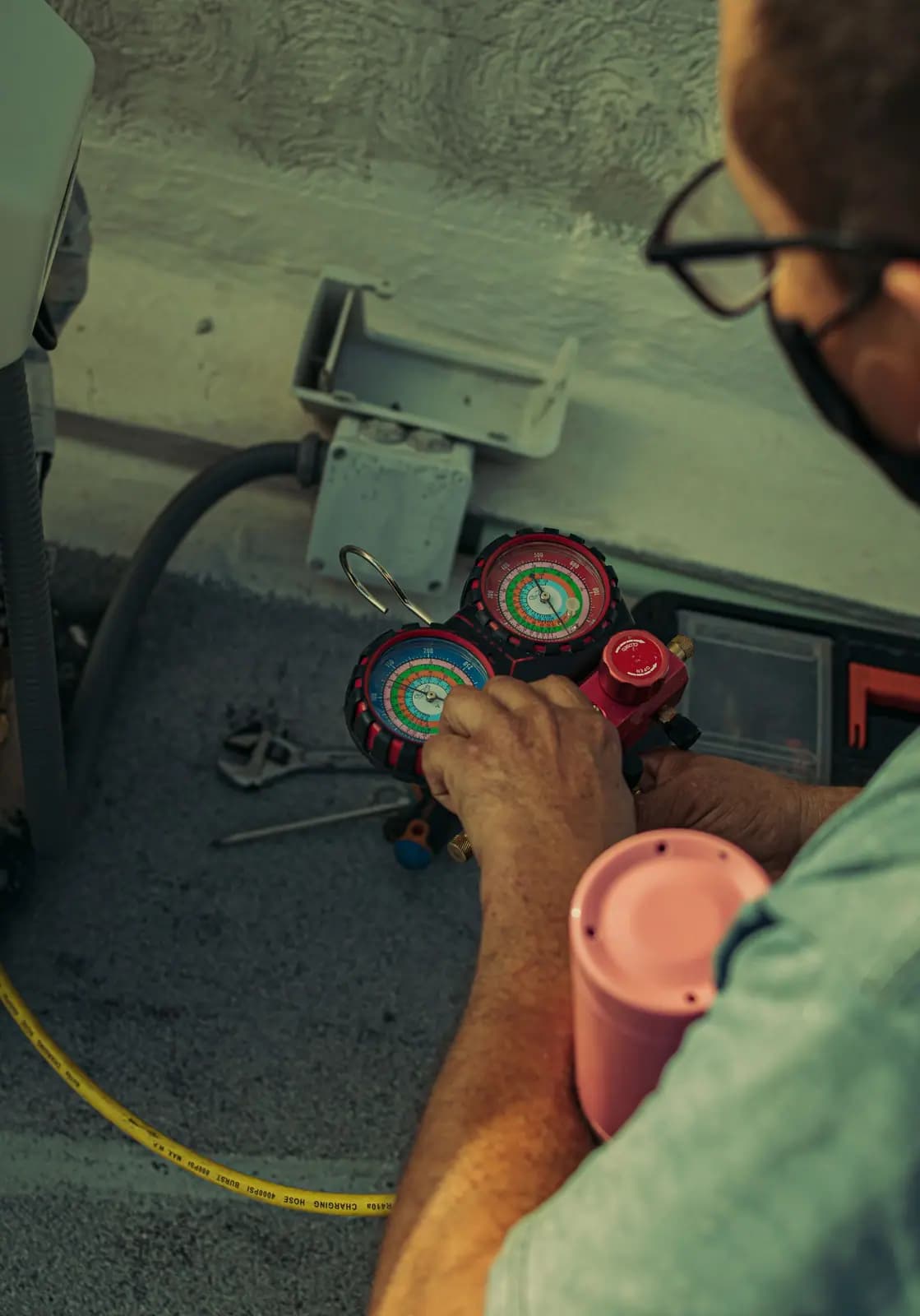
Humming, gurgling, ticking as parts expand, and water dripping during defrost are normal. Grinding or chirping from the freezer often means the evaporator fan is hitting ice or its bearings are worn. Repeated clicking every few minutes with no cooling can point to the compressor start circuit. Our guide on refrigerator noises covers this in detail.
What affects refrigerator repair cost
| Factor | Why it matters |
|---|---|
| Which system failed | Door gaskets, fans, and defrost parts are the smaller jobs; a compressor or refrigerant leak is the largest and needs an EPA-certified technician. |
| Diagnosis time | Intermittent cooling problems can take longer to pin down than a part that's visibly failed. |
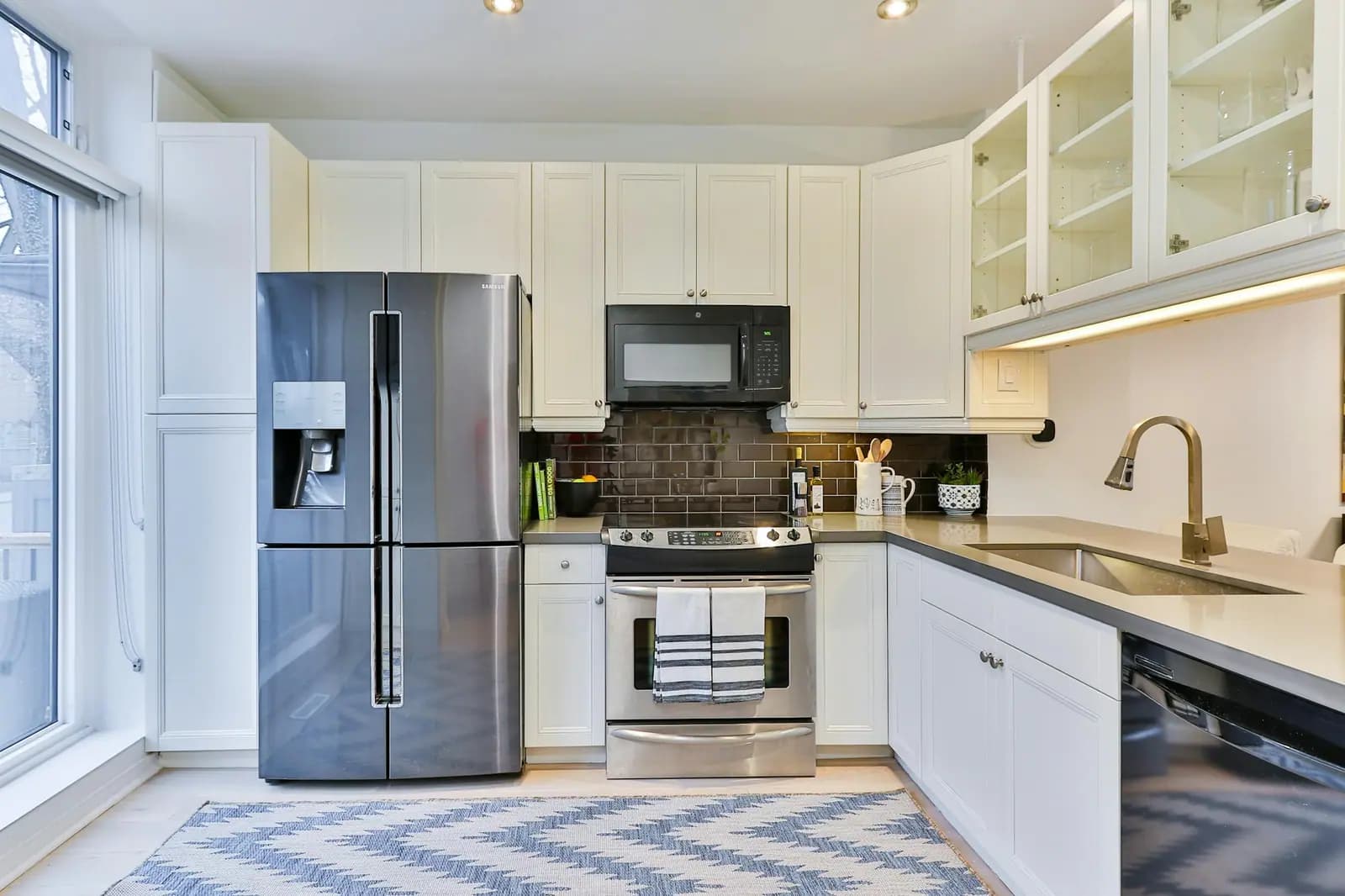
| Configuration | French-door and side-by-side models with dispensers have more components; built-in and panel-ready units take longer to access. |
| Parts | Control boards and sealed-system parts vary widely by brand and model; some must be ordered, which can mean a second visit. |
| Urgency | Food at risk makes scheduling matter; ask whether faster scheduling changes the price. |
| Diagnostic fee | Most providers charge one; ask whether it's credited toward the repair. |
Is my refrigerator too old to repair?
There's no single age at which a refrigerator stops being worth repairing. How heavily it's used, whether the condenser has been kept clean, where it sits (a hot garage is harder on it than a kitchen), and how often it has needed work all matter more than the year it was bought.
Age matters most when the failure is in the sealed system. A compressor or refrigerant repair on an older unit is where a written quote should be compared carefully against a new, more efficient refrigerator.
Repair or replace?
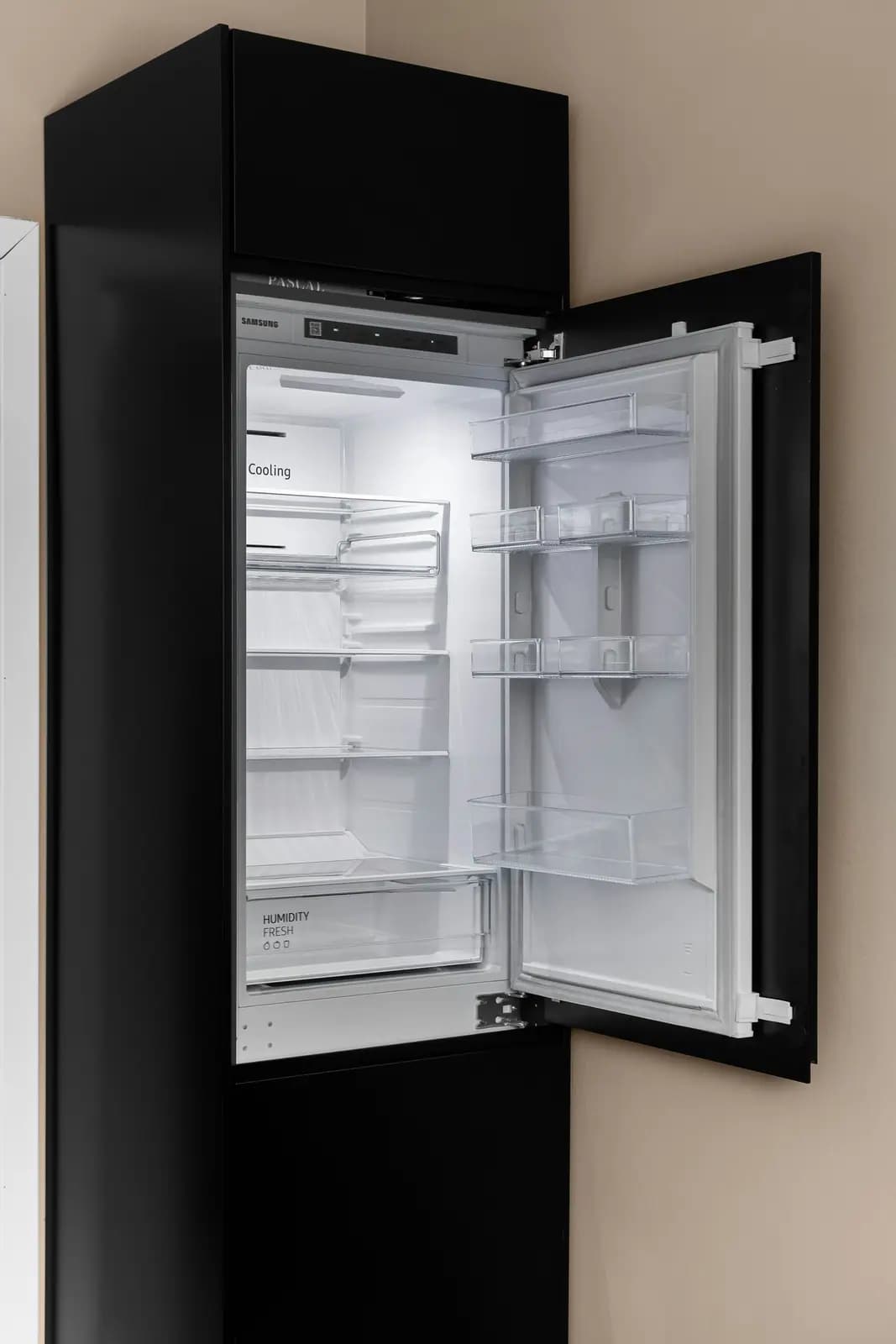
Fan, defrost, gasket, and water-valve repairs are usually worth doing on a refrigerator that's otherwise in good shape. A sealed-system repair is where the decision gets harder: ask for the full quote in writing and compare it with the installed cost of a comparable new unit. Also check for open recalls — a recall may cover the repair.
Age alone isn't a verdict. A well-maintained older refrigerator with a minor fault can be worth repairing; a newer one with a compressor failure outside warranty may not be.
Have this ready when you request service
- Brand and model number (on a label inside the fresh-food section, often on a side wall or ceiling)
- Whether it's top-freezer, bottom-freezer, side-by-side, French-door, or built-in
- What the thermometer reads in each section, and when the problem started
- Whether there's an ice maker or dispenser, and whether it still works
How a repair request works
- 1Call usTell us the appliance, the brand and what it's doing.
- 2Describe the problemBrand, model, symptoms, and what you've already checked.
- 3Provider reviews itThey contact you to accept and to ask anything they need.
- 4Diagnosis and quoteThe provider confirms any diagnostic fee and the repair price before work starts.
Common questions
Why is my freezer cold but my refrigerator warm?
Because the fresh-food section gets its cold air from the freezer. When the evaporator fan stops, the coil ices over, or a vent or damper is blocked, cold air stops reaching the fresh-food side even though the freezer stays cold.
Is it worth repairing a 10-year-old refrigerator?
It depends on what failed. A fan, defrost component, or gasket is often worth repairing. A compressor or refrigerant leak on a 10-year-old unit is worth comparing carefully against replacement, including efficiency and the condition of the rest of the refrigerator.
Can I add refrigerant myself?
No. Refrigerant work requires EPA certification, and a low charge means there's a leak that has to be found and repaired.
How long should I wait after adjusting the temperature?
About 24 hours. Refrigerators take time to stabilize, so check with a thermometer the next day before deciding the adjustment didn't work.
Local guides
Where local climate, storms, water, or altitude change the advice: