Ice maker repair at a glance
- Most common cause
- Switched off, freezer too warm, filter, or water supply
- First safe check
- Shut-off arm, freezer at 0 °F, filter date, supply valve
- Technician-only
- Inlet valve, frozen fill tube, ice maker module
- Time to recover
- Often 24 hours after a reset or change
How an ice maker gets water
Water travels from your home supply through a small line to an electric inlet valve on the back of the refrigerator, often through a filter, then up a fill tube into the ice mold. When the mold is cold enough, the ice maker ejects the cubes and refills. A problem anywhere along that path stops production.
Ice maker water supply
- 1Supply valveFully open, line not kinkedYou can check
- 2Water filterReplace on scheduleYou can check
- 3Inlet valveElectrically opens to fillTechnician
- 4Fill tubeCan freeze if the freezer runs warm
- 5Ice moldFreezes and ejects cubes
Check in this order
- Shut-off arm down, or the ice maker switch on.
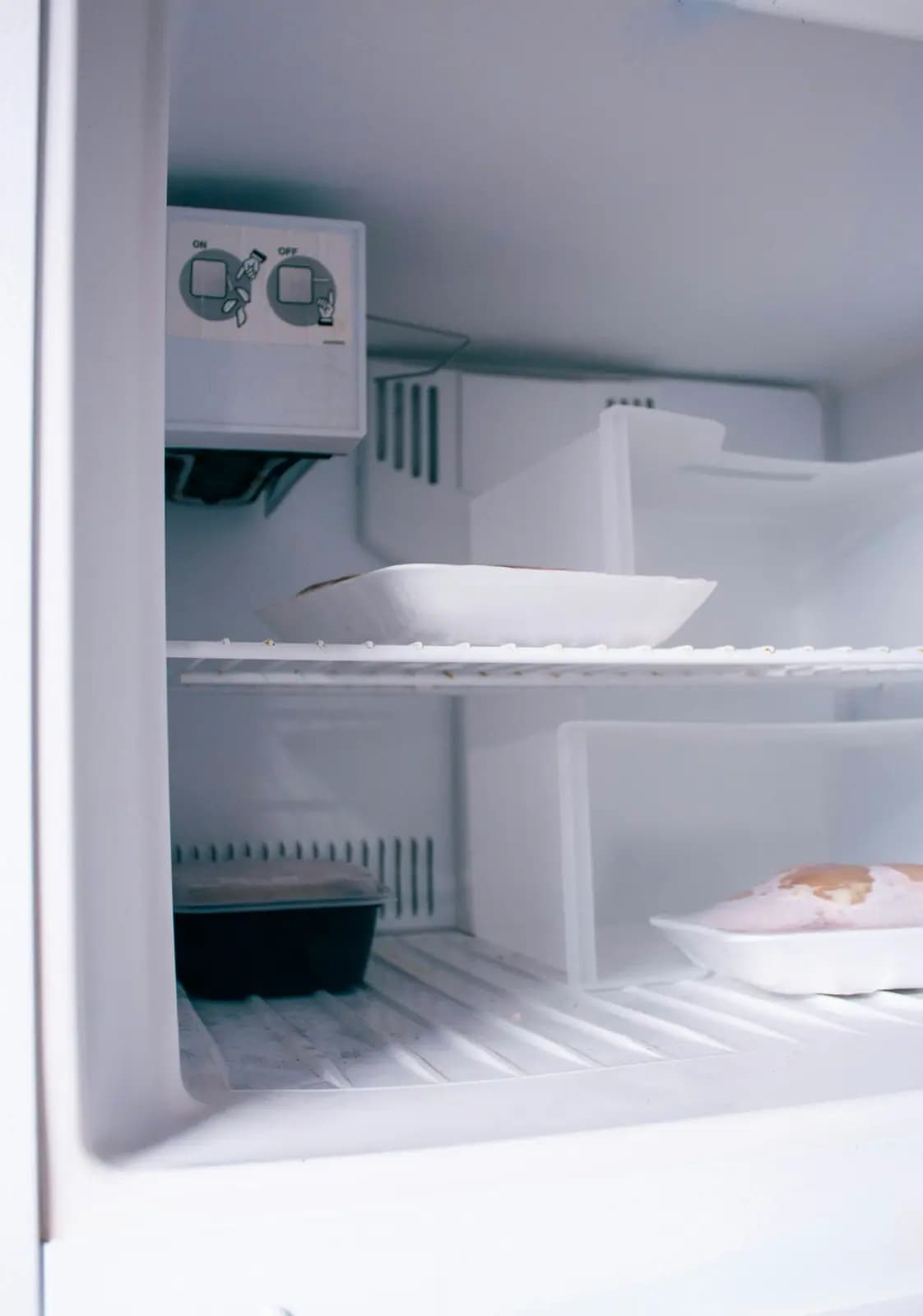
- Freezer at about 0 °F — ice makers stop when it's too warm.
- Water filter replaced on schedule; a clogged filter causes small or hollow cubes.
- Supply valve open and the line behind the refrigerator not kinked.
- Break up any ice clump jamming the bin or ejector, using a plastic utensil.
- Wait 24 hours after any change — ice makers are slow to restart.
Leaking ice makers
Water under the refrigerator or ice in the freezer floor can come from the supply line connection, the inlet valve, or a fill tube that's cracked or frozen. Close the water supply valve and request service if you can't see an obvious loose fitting.
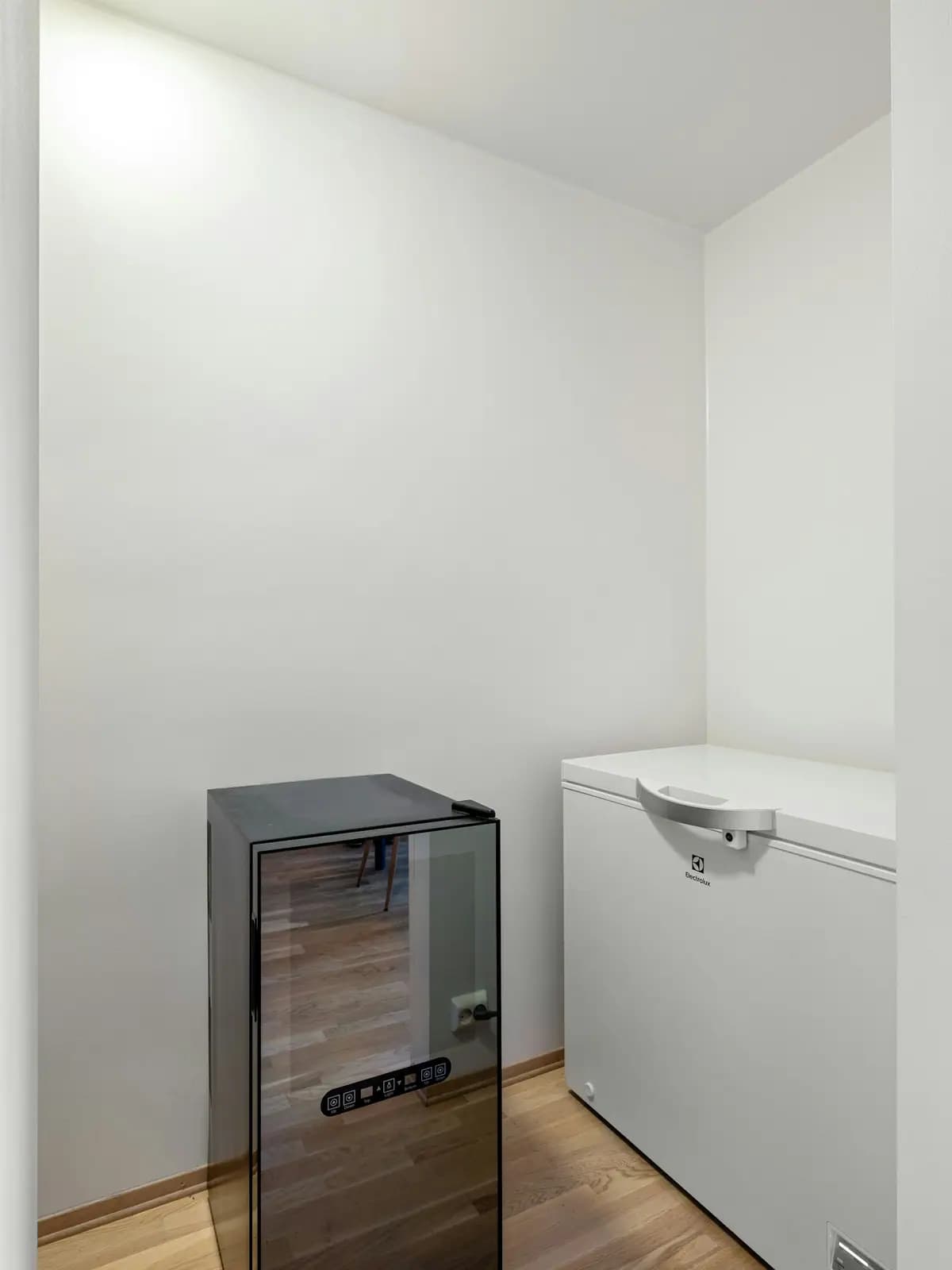
Refrigerator ice maker or standalone?
| In a refrigerator | Standalone / undercounter | |
|---|---|---|
| Cold source | The freezer section | Its own refrigeration system |
| Common faults | Inlet valve, frozen fill tube, module, freezer too warm | Water pump, drain, scale buildup, sensors |
| Drain needed | No | Usually — a gravity drain or drain pump |
| Cleaning | Bin and filter | Regular descaling per the manual |
What a technician usually checks
- Whether the ice maker cycles and calls for water in test mode
- Water pressure and flow at the inlet valve
- Fill tube for ice blockage, and why it froze
- Freezer temperature and the ice maker's thermostat or sensor
- Bin auger and dispenser door on door-dispensing models
Have ready
- Refrigerator or standalone model number
- Whether any water reaches the ice maker
- When the filter was last changed
- Whether the freezer is holding 0 °F
Leave to a technician
Leave this to a professional
- Inlet valve testing and replacement (it's an electrical component)
- Thawing a frozen fill tube inside the cabinet
- Ice maker module replacement
How a repair request works
- 1Call usTell us the appliance, the brand and what it's doing.
- 2Describe the problemBrand, model, symptoms, and what you've already checked.
- 3Provider reviews itThey contact you to accept and to ask anything they need.
- 4Diagnosis and quoteThe provider confirms any diagnostic fee and the repair price before work starts.
Common questions
Why is my ice maker making small or hollow cubes?
Usually low water flow: a clogged filter, low household pressure, a kinked line, or a partially failing inlet valve.
Why does my ice smell or taste odd?
Often an old filter or odors absorbed from the freezer. Replace the filter, discard old ice, and clean the bin.
Why does my ice maker overflow or make one big block of ice?
Too much water is reaching the mold, often from an inlet valve that doesn't shut fully or low water pressure making the valve chatter. Close the supply valve and request service; continued overfilling can freeze the fill tube or leak.
Should I turn off the ice maker if I don't use it?
Yes. Raise the shut-off arm or switch it off, and close the water supply if you won't use it for a while. This avoids the ice maker cycling without water, which can damage some modules.
Is it normal for a new ice maker to make odd-tasting ice?
The first few batches can taste off from new tubing. Most manuals recommend discarding the first several batches of ice after installation or a filter change.
Local guides
Where local climate, storms, water, or altitude change the advice: