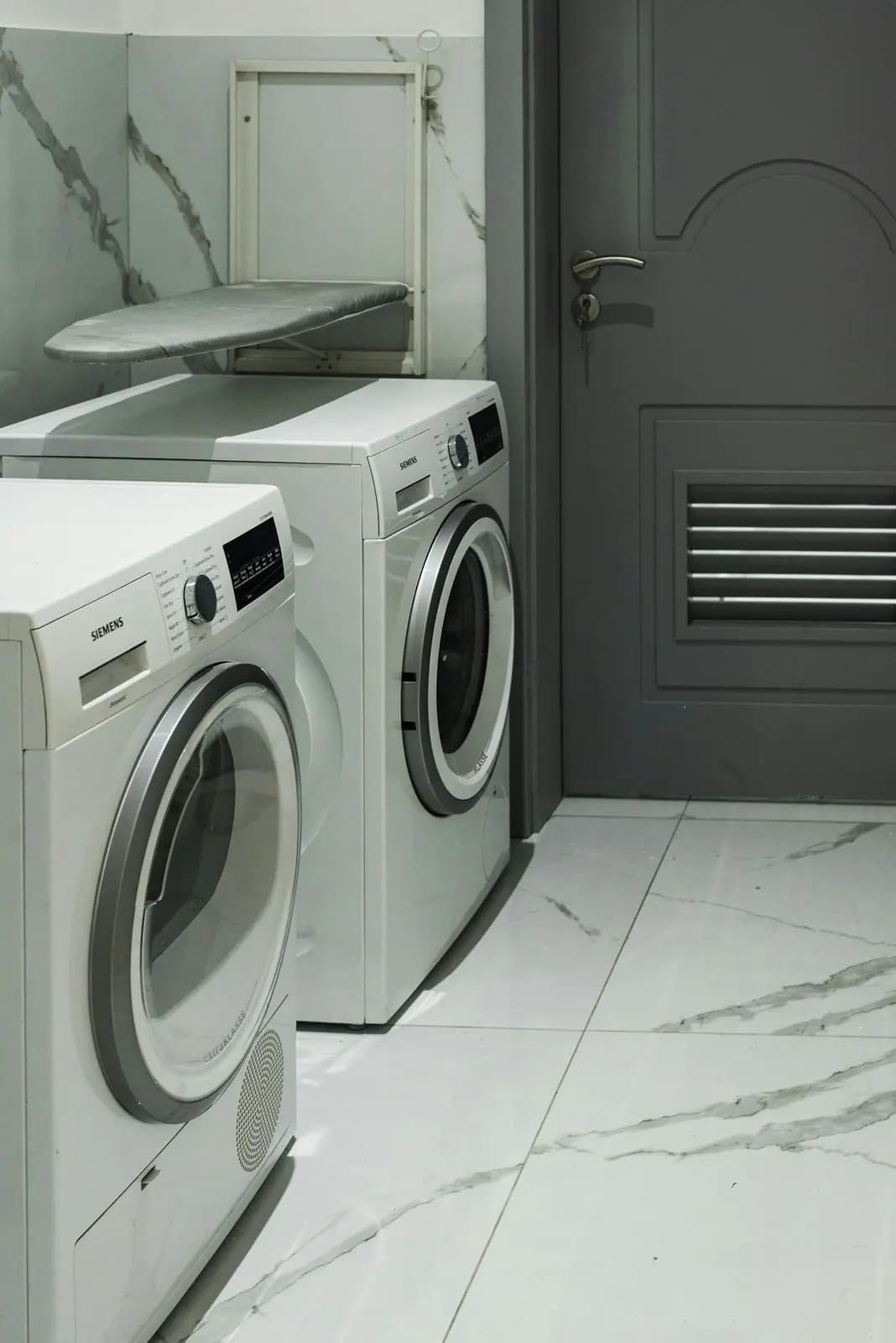
Dryer repair at a glance
- Most common cause of slow drying
- Restricted airflow — lint, duct, or vent hood
- Stop immediately if
- Gas smell, burning smell, or smoke
- First safe check
- Lint screen, outside vent airflow, breaker (electric)
- Technician-only
- Heating element, igniter and gas valve, motor, thermal fuse testing
- Gas vs electric
- Different heating parts; same airflow rules
Stop using the dryer now if
Act now
- You smell gas — leave the home and call your gas utility or 911 from outside. Don't flip switches.
- You smell burning or see smoke — turn it off and unplug it if you can reach the plug safely.
- The outside of the cabinet or the clothes are unusually hot.
- The dryer keeps running with the door open.
Airflow is the first thing to check
Dryers work by pulling room air across a heater, through the tumbling clothes, through the lint screen, and out a duct to the outside. Anything that slows that flow — lint in the screen or duct, a crushed transition hose behind the dryer, a stuck or nested exterior flap — makes drying slow and makes the dryer run hotter. Lint is a leading factor in home dryer fires.
Repeated overheating can trip a one-time thermal fuse, which leaves an electric dryer tumbling with no heat or a dryer that won't start at all. Replacing the fuse without fixing the airflow just sets up the next failure.
Dryer airflow
- 1HeaterElement (electric) or burner (gas)Technician
- 2DrumHot air passes through tumbling clothes
- 3Lint screenClean every loadYou can check
- 4DuctNo kinks or crushingYou can check
- 5Vent hoodFlap opens, no blockageYou can check
Dryer duct
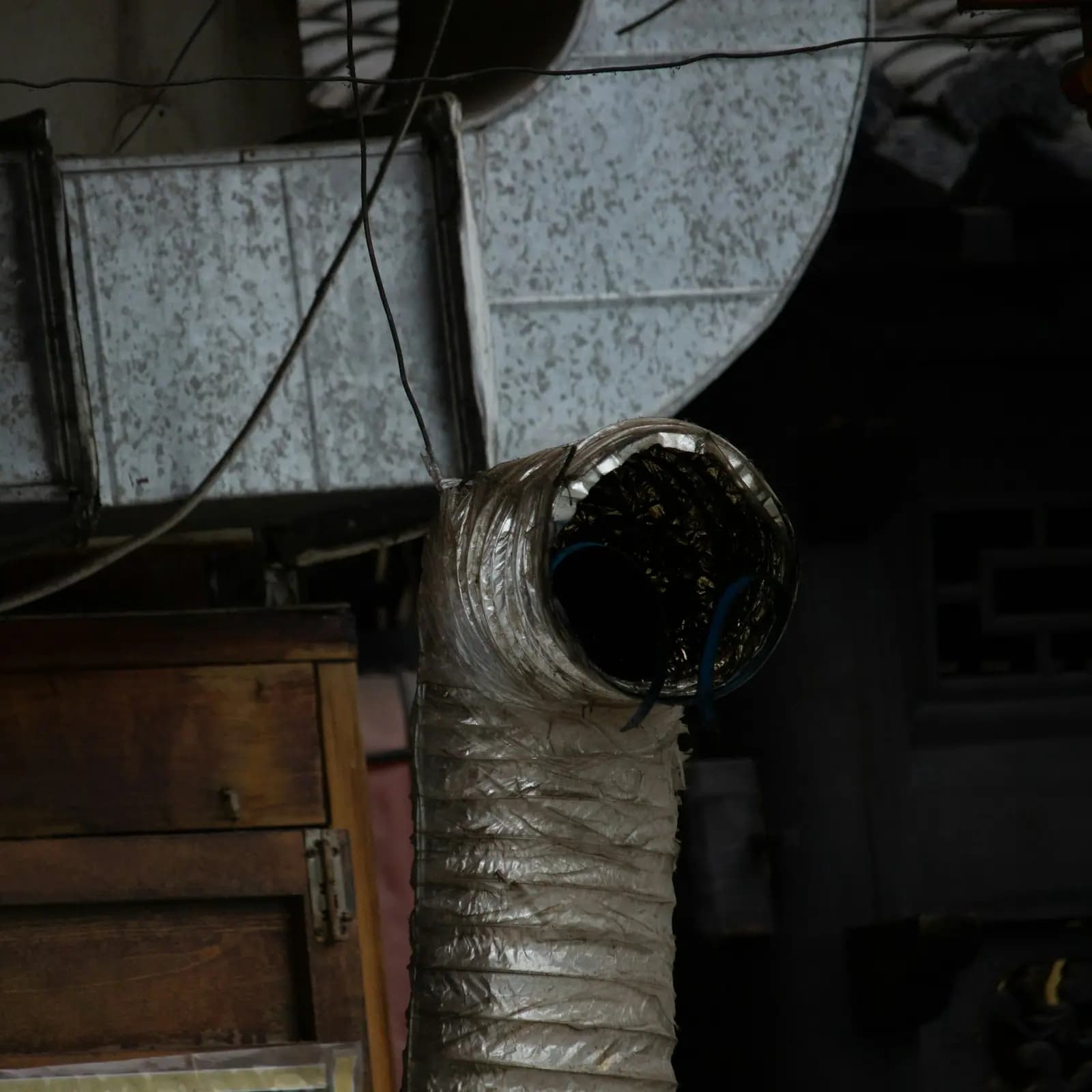
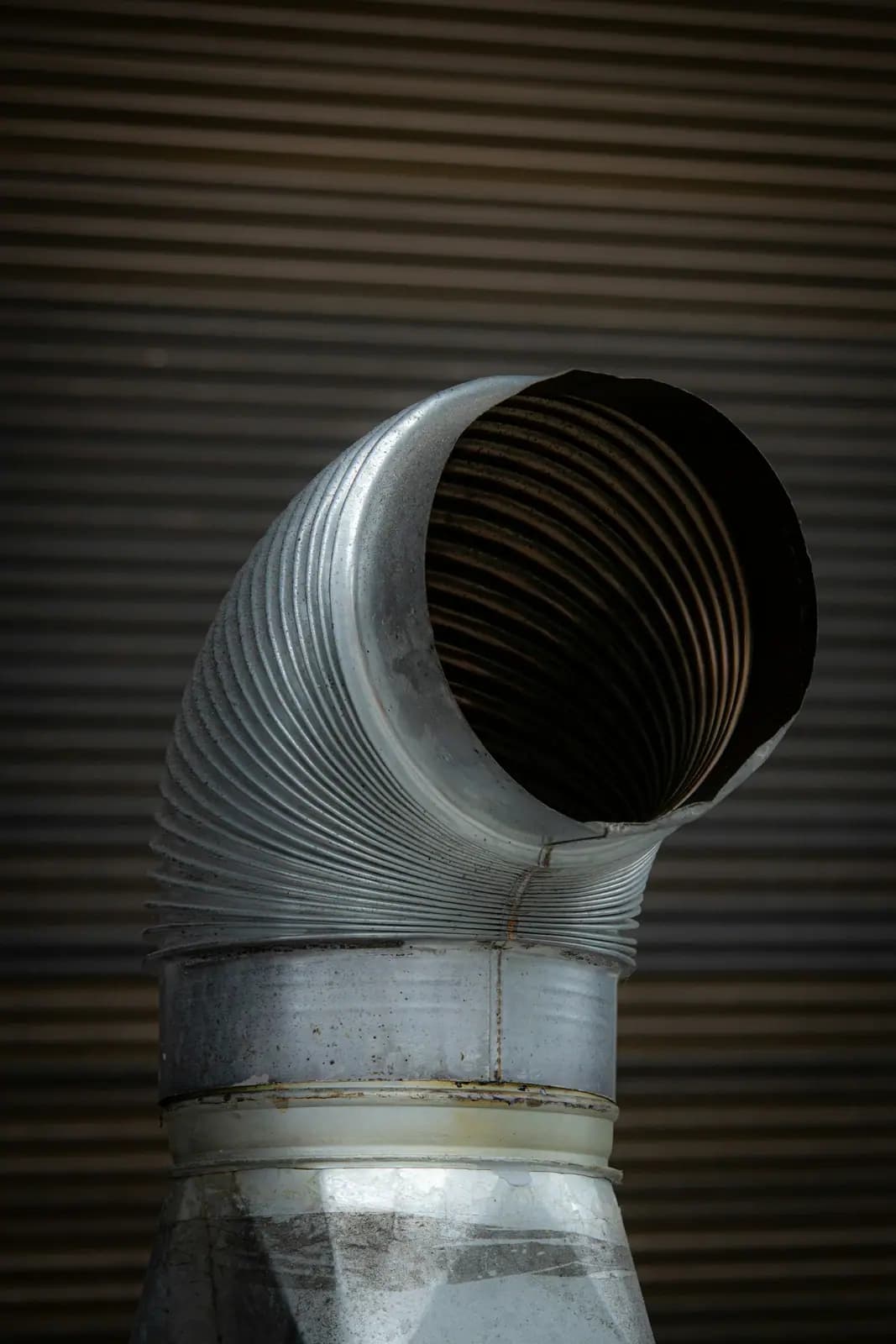
Example photos of the condition — different appliances, not RepairHearth jobs. Photos: Yanping Ma (Unsplash) · Yanping Ma (Unsplash).
Safe checks
- Clean the lint screen. If it's coated with fabric-softener film, wash it with warm soapy water and let it dry.
- With the dryer running, go outside: you should feel steady, warm airflow at the vent hood, and the flap should open.
- Pull the dryer out carefully and look for a kinked or crushed transition duct.
- Electric dryers: check for a tripped breaker. Most use a double breaker, and one half can trip while the drum still turns.
- Make sure clothes are coming out of the washer properly spun — soaking loads take far longer.
Electric vs gas: what's different
| Electric | Gas | |
|---|---|---|
| Heat source | Heating element | Burner with igniter and gas valve |
| Common no-heat parts | Element, thermal fuse, high-limit thermostat | Igniter, flame sensor, gas valve coils, thermal fuse |
| Power | 240-volt circuit | 120-volt plug plus gas supply |
| Homeowner boundary | Breaker and airflow checks only | Airflow checks only — no gas connection work |
Drum, motor, and noise problems
A dryer that hums but doesn't turn may have a broken belt or a motor fault. Thumping usually means worn drum rollers; squealing often points to the idler pulley or belt; scraping can be a worn drum seal or a coin caught along the drum edge. These are mechanical repairs for a technician.
What affects dryer repair cost
| Factor | Why it matters |
|---|---|
| Gas or electric | Gas ignition parts (igniter, flame sensor, valve coils) differ from electric heating elements and thermostats. |
| Root cause | A blown thermal fuse is a cheap part, but the visit should also check the vent that likely caused it. |
| Vent condition | Long, crushed, or lint-packed vent runs can need separate cleaning; drying won't improve without it. |
| Mechanical wear | Belts, rollers, and idler pulleys are commonly replaced together because they wear at similar rates. |
| Stacked or closet installs | Tight spaces and stacks add labor time. |
| Diagnostic fee | Ask whether it's credited toward the repair. |
Is my dryer too old to repair?
Dryers are mechanically simple, and most of their common repairs are routine regardless of age. Before replacing an older dryer for slow drying, confirm the venting is clear — a new dryer on a blocked vent dries just as slowly.
A failed motor or control board on an older dryer is the main point where replacement deserves a comparison.
Repair or replace?
Most dryer repairs — belts, rollers, elements, igniters, fuses, thermostats — are routine. A failed motor or control board on an older dryer is where comparing against a new unit makes sense. If the vent run is long or poorly routed, fixing the venting may matter more than the dryer itself.
Have ready
- Gas or electric
- Brand and model (usually inside the door frame)
- Whether it heats at all, and how long a normal load takes
- Where the vent exits the house and roughly how long the run is
How a repair request works
- 1Call usTell us the appliance, the brand and what it's doing.
- 2Describe the problemBrand, model, symptoms, and what you've already checked.
- 3Provider reviews itThey contact you to accept and to ask anything they need.
- 4Diagnosis and quoteThe provider confirms any diagnostic fee and the repair price before work starts.
Common questions
Why does my dryer take two cycles to dry clothes?
Usually restricted airflow: a clogged lint screen, lint in the duct, a crushed transition hose, or a blocked exterior vent. Other causes include overloading, clothes not spun dry by the washer, a partially failing heating part, or a faulty moisture sensor.
Can a clogged dryer vent cause a fire?
Yes. The U.S. Fire Administration identifies failure to clean the dryer as a leading cause of home dryer fires. Clean the lint screen every load and have the vent cleaned regularly.
Can I replace my gas dryer's igniter myself?
We don't recommend homeowner work on any gas appliance component. A technician should diagnose and repair the gas ignition system.
Local guides
Where local climate, storms, water, or altitude change the advice: