Short answer
Restricted airflow is the most common reason: a coated lint screen, lint in the duct, a crushed hose behind the dryer, or a blocked outside vent. Other causes are overloading, clothes not spun dry by the washer, a partially failing heating part, or a moisture sensor that ends cycles early.
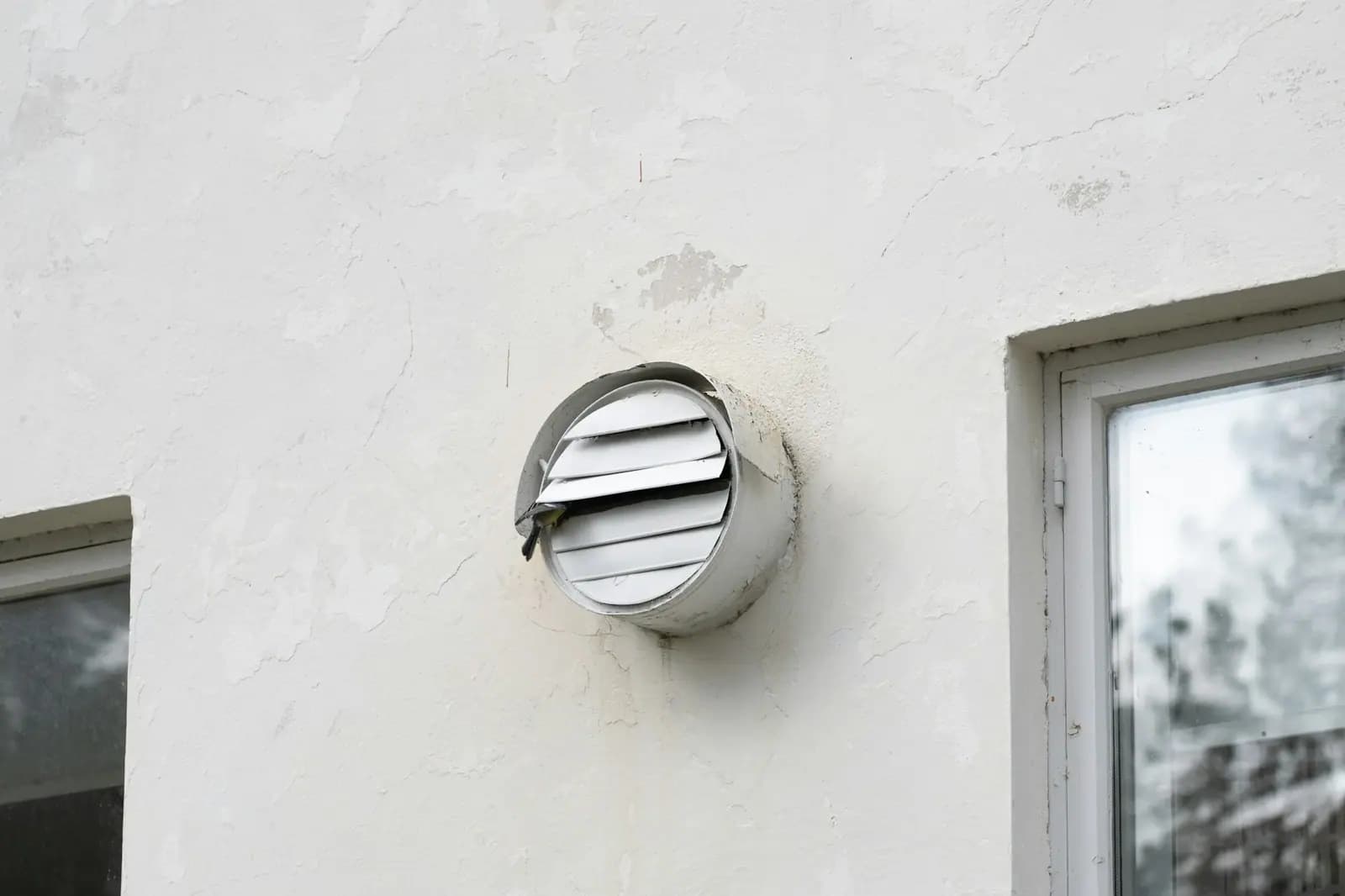
Airflow checks
- Clean the lint screen; wash it if softener film blocks water from passing through.
- Go outside: steady warm air should push the vent flap open.
- Look behind the dryer for kinks in the transition duct.
- Long vent runs with several bends may need professional cleaning.
Dryer airflow
- 1HeaterElement (electric) or burner (gas)Technician
- 2DrumHot air passes through tumbling clothes
- 3Lint screenClean every loadYou can check
- 4DuctNo kinks or crushingYou can check
- 5Vent hoodFlap opens, no blockageYou can check
Possible causes, in the order they're usually ruled out
- Lint screenClogged or coated with softener filmYou can check
- Vent runLint buildup, crushed duct, blocked hoodCheck, then technician
- LoadOverloaded or clothes not spun dryYou can check
- Moisture sensorDirty bars end auto cycles earlyYou can check
- Heat sourceElement or burner heating weaklyTechnician
Load and washer checks
- Don't overfill the drum — clothes need room to tumble.
- If clothes come out of the washer dripping, the washer may not be spinning fully.
Dryer duct
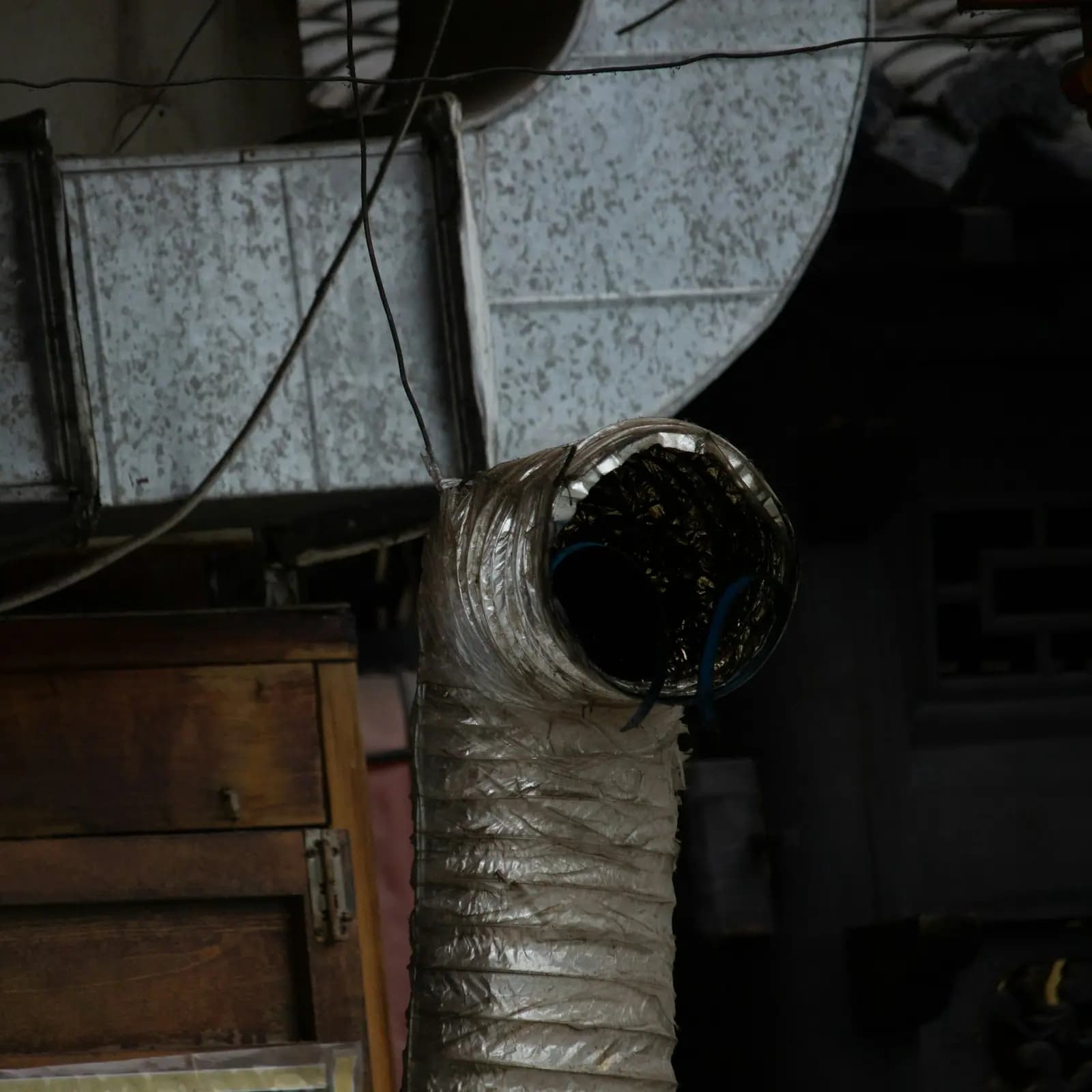
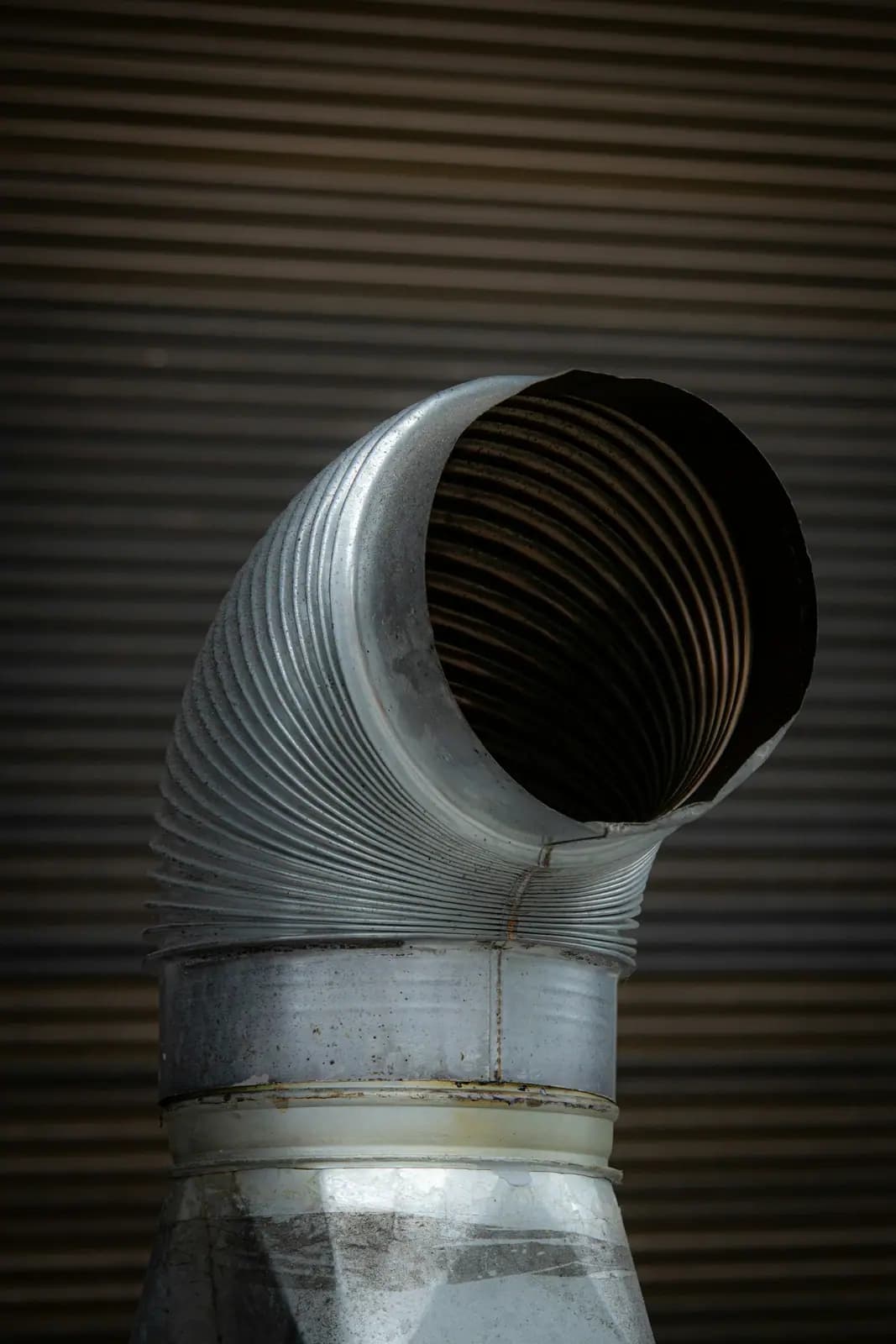
Example photos of the condition — different appliances, not RepairHearth jobs. Photos: Yanping Ma (Unsplash) · Yanping Ma (Unsplash).
If airflow is fine
A heating element or gas burner that cycles weakly, a faulty thermostat, or dirty moisture-sensor bars (the metal strips inside the drum) can all lengthen drying. Wipe sensor bars with a little rubbing alcohol as many manuals describe; other parts need a technician.
Why it matters
Safety
Lint buildup restricts airflow and is a leading factor in home dryer fires (U.S. Fire Administration).
Possible causes at a glance
| Cause | Typical clue |
|---|---|
| Clogged lint screen or duct | Laundry room feels hot and humid; weak airflow outside |
| Crushed transition hose | Dryer was recently pushed back against the wall |
| Blocked vent hood | Flap doesn't open, or debris or nests visible |
| Overloading | Clothes come out damp in the middle of the load |
| Washer not spinning fully | Clothes drip when moved to the dryer |
| Dirty moisture sensor | Auto-dry cycles end early with damp clothes |
| Weak heat | Air warm but not hot; cycles normal length |
What to request
A symptom points to likely causes; only testing confirms one. If the checks above don't solve it, request a diagnosis for dryer repair and mention what you've already checked.
Common questions
How often should a dryer vent be cleaned?
Clean the lint screen every load. Have the duct cleaned whenever drying slows, and periodically depending on use and vent length.
Need dryer repair? Call now
Pricing, timing, and appointments are confirmed by the repair provider.
Our phone line is being set up. Please check back soon.