
This page covers what's specific to Minneapolis. For the full checklist — causes, safe checks, and repair or replace — see dryer repair.
Minneapolis at a glance
- Main appliance stress
- Sub-zero winter temperatures
- Electric
- Xcel Energy across much of the area
- Natural gas
- CenterPoint Energy across much of the area
Vent or dryer?
| What you see | Points to | Next step |
|---|---|---|
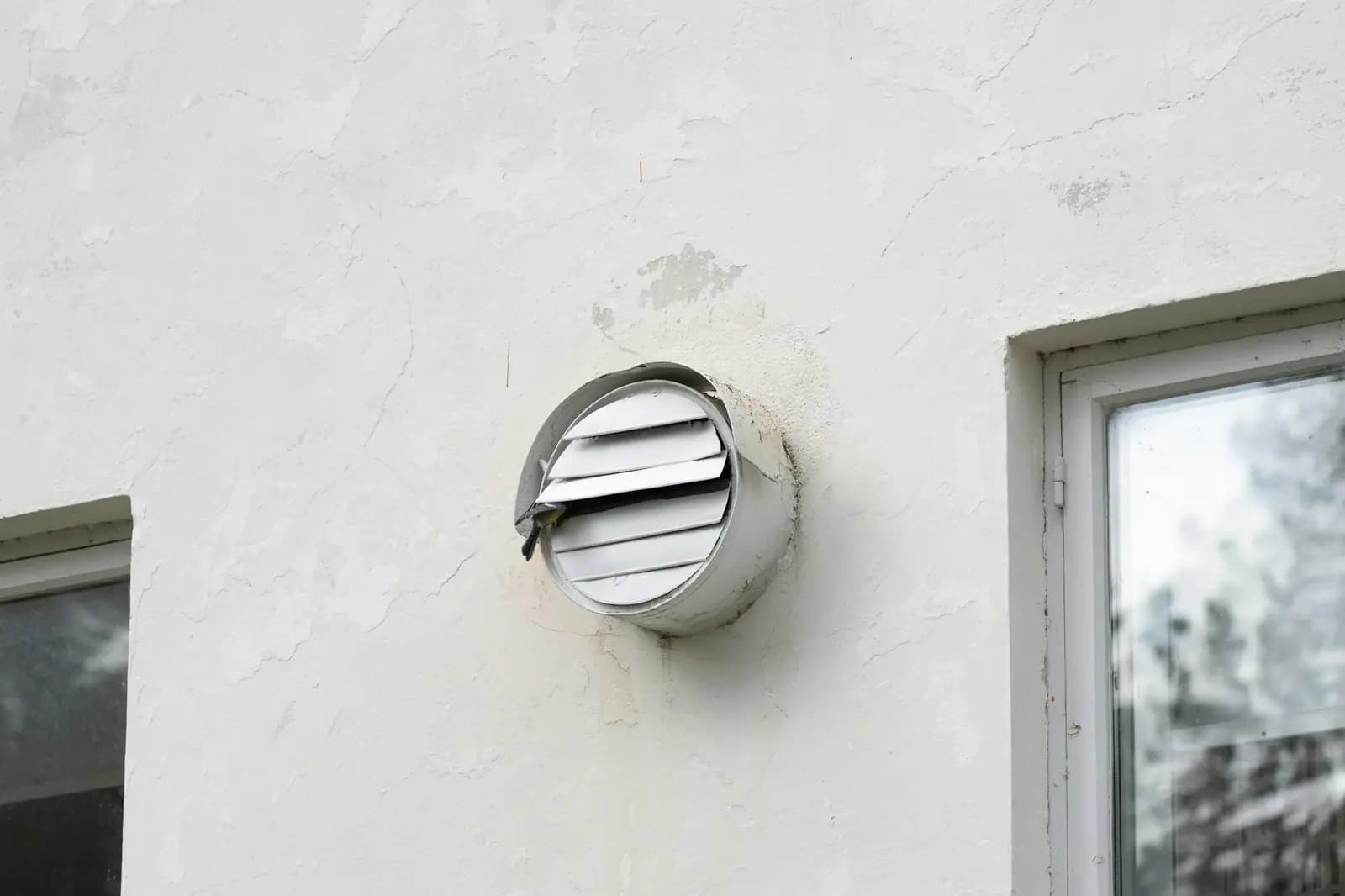
| Ice on the outside hood flap | Vent | Clear it; check flap moves |
| Water dripping from the duct | Condensation in a cold run | Shorten or insulate the run; slope it outside |
| Hot to the touch, clothes still damp | Restricted airflow | Clean the whole vent run |
| Drum turns, no heat at all | Thermal fuse, element, igniter or gas valve coils | Request a repair |
| Won't start | Door switch, belt, thermal fuse | Request a repair |
Stop using it if
Leave this to a professional
- You smell burning or scorched lint.
- The vent is disconnected inside the house.
- You smell gas near a gas dryer.
Long basement runs
Minneapolis basement dryers often vent through 20 feet or more of duct with several elbows. Every elbow adds resistance, and a run that loses heat to a cold rim joist will condense moisture inside. Check the manual's maximum vent length for your model and use rigid metal duct, not foil or plastic.
Costs to ask about
Vent cleaning, a vent reroute and a dryer repair are often different trades. Ask whether the technician will check airflow at the hood after the repair, because a fixed dryer on a blocked vent will fail again.
How a repair request works
- 1Call usTell us the appliance, the brand and what it's doing.
- 2Describe the problemBrand, model, symptoms, and what you've already checked.
- 3Provider reviews itThey contact you to accept and to ask anything they need.
- 4Diagnosis and quoteThe provider confirms any diagnostic fee and the repair price before work starts.
Common questions
Can I vent my dryer into the basement in winter for the heat?
No. Dryer exhaust carries lint and moisture, and a gas dryer's exhaust contains combustion products. Always vent outside.
Why does my Minneapolis dryer slow down in January?
Moist exhaust can condense in long basement runs and freeze at the outside hood, restricting airflow until a thermal fuse or high-limit cutout trips. Clear the hood and check for water in the duct first.
Is water in my dryer duct a problem?
Yes. It means exhaust is condensing in a long, cold run; the water traps lint and can freeze. The duct may need re-routing, insulation or a shorter run.
When should I stop using my dryer in winter?
If the hood is blocked by ice, the dryer smells burnt, or it runs hot with clothes still damp. Stop, clear the vent and get it checked.
Can a frozen vent blow my dryer's thermal fuse?
Yes. A blocked vent lets heat build up, which trips the high-limit thermostat or blows the thermal fuse. Fix the vent as well as the fuse, or it will happen again.
How do I protect a long basement dryer vent?
Use rigid metal duct, keep the run as short and straight as possible, and have it cleaned regularly. Insulating sections in cold spaces reduces condensation.
What should I ask about cost for a Minneapolis dryer repair?
Whether the problem is the vent or a part — vent cleaning and part repairs are priced differently — and whether the diagnostic fee is credited if you go ahead.
Why does my dryer still run cold after clearing an iced vent?
The overheating may already have blown a thermal fuse or damaged a heating part, which needs a technician.
Can I vent my dryer into the basement for extra heat?
No. Dryer exhaust carries lint and moisture, and a gas dryer's exhaust contains combustion products — always vent outside.
Should my basement dryer sit on a platform?
If the basement takes on water at spring thaw, raising the dryer protects its motor and controls.