
Short answer
Humming, gurgling, popping, and dripping during defrost are normal refrigerator sounds. Grinding or chirping from the freezer, a loud rattle at the bottom, or repeated clicking with no cooling are worth a diagnosis — especially if temperatures are also rising.
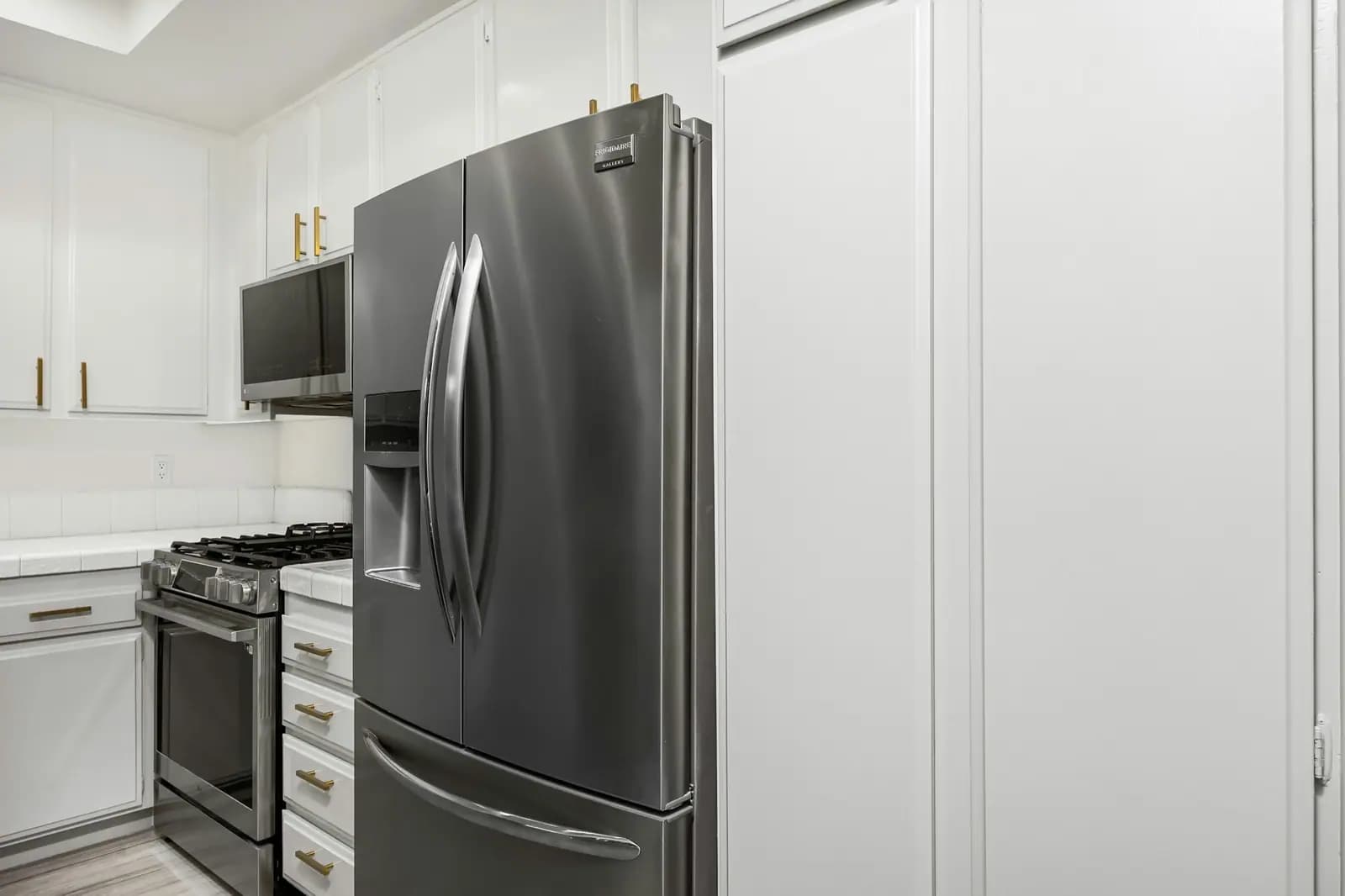
Sound guide
| Sound | Usually | Worth a call? |
|---|---|---|
| Steady hum | Compressor running | No |
| Gurgling or hissing | Refrigerant flow, defrost water | No |
| Popping or cracking | Plastic expanding and contracting | No |
| Grinding or chirping in the freezer | Evaporator fan hitting ice or worn bearings | Yes |
| Rattling at the bottom | Drain pan loose or something touching the condenser fan | Check pan; call if it continues |
| Click every few minutes, no cooling | Compressor start circuit | Yes |
| Loud buzz at the back | Water inlet valve or compressor | Yes, if persistent |
Safe checks
- Make sure the refrigerator is level and not touching cabinets or the wall.
- Check that nothing on top of the refrigerator is vibrating.
- Note whether the noise happens when the doors open, during defrost, or at compressor start — it narrows the cause.
Don't attempt
Leave this to a professional
- Removing panels to reach fans
- Oiling fan motors — most are sealed
When noise means replace vs repair
Fan noise is a routine repair. Noise that comes with no cooling and a clicking compressor can point to a start-circuit fault (often repairable) or a failing compressor (where repair-or-replace becomes a real question).
Switch it off if
Safety
- You smell burning or hot plastic
- The noise comes with sparking or a tripped breaker
- A grinding fan is accompanied by rising temperatures — protect your food first
How the source gets pinned down
Technicians localize noise by opening and closing the doors (most evaporator fans stop when the freezer door opens), listening at the lower back where the condenser fan and compressor sit, and checking whether the sound follows the defrost cycle. Recording a short video of the sound and noting the time of day it happens is genuinely useful — intermittent noises often stop the moment someone arrives.
What to request
A symptom points to likely causes; only testing confirms one. If the checks above don't solve it, request a diagnosis for refrigerator repair and mention what you've already checked.
Common questions
Why does my refrigerator click every few minutes?
A click followed by the compressor starting is normal. Repeated clicking with no compressor hum and no cooling can mean the start relay or compressor isn't starting.
Why is my refrigerator making a loud buzzing noise?
A buzz often comes from the ice maker trying to fill when the water supply is off or disconnected — switch the ice maker off if it isn't plumbed in. A loud, constant buzz from the bottom rear can also be the compressor working hard or a condenser fan hitting debris.
Is it normal for a new refrigerator to be noisy?
Some new sounds are normal: variable-speed compressors run longer and quieter but change pitch, fans whoosh, and gurgling, hissing and popping come with refrigerant flow and defrost cycles. Loud rattling, grinding or a sound that came with warmer temperatures is not normal.
Why does my refrigerator make a knocking sound?
A single knock when the ice maker fills is the water valve closing. Repeated knocking can be a fan blade striking ice, a loose drain pan, or the compressor rocking on worn mounts when it starts or stops.
Why does my fridge make a gurgling or hissing sound?
That's usually refrigerant flowing through the tubing or water dripping onto the defrost heater during a defrost cycle — both normal. It's worth a check only if the sound comes with poor cooling.
How can I tell if the noise is the evaporator fan?
An evaporator fan problem usually sounds like chirping, squealing or grinding from inside the freezer. On many models the fan pauses when the door opens, so a noise that stops when you open the freezer door and returns when you close it points to that fan.
Why does my refrigerator pop or crack?
Plastic liners and shelves expand and contract as the temperature changes, especially during defrost. Occasional pops and cracks are normal and don't affect cooling.
How do I stop my refrigerator from rattling?
Check that the drain pan under the unit is seated, that nothing on top is vibrating, and that the refrigerator is level and not touching the wall or cabinets. Adjust the leveling feet or rollers; a rattle that continues from the back may be a loose condenser fan or tubing.
Should I unplug my refrigerator if it's making a strange noise?
Only if there's a burning smell, smoke, sparking or loud grinding with heat coming from the back. Otherwise keep it running to protect your food, note when the noise happens and whether temperatures are holding, and arrange a diagnosis.
Does a noisy refrigerator mean it's about to break down?
Not necessarily. Many noises are normal or come from minor parts like a drain pan. A new noise together with rising temperatures is the combination that deserves prompt service, because a failing fan or compressor can quickly turn into a no-cooling problem.
How much does it cost to fix a noisy refrigerator?
Most noise repairs are fan motors, drain pans or leveling, which are moderate. Compressor noise with poor cooling is the expensive end. The provider confirms the price before any work.
Need refrigerator repair? Call now
Pricing, timing, and appointments are confirmed by the repair provider.
Talk to someone now about your appliance. Available 24/7.
RepairHearth is a free referral service. By calling, you agree to be connected with an independent, participating repair provider who may call or text you back about your request at the number you call from. Calls may be recorded for quality and routing. Consent is not a condition of any purchase; you can opt out at any time, and message and data rates may apply. Privacy policy.